

Did you know 65% of top architects say frieze boards add instant class to plain walls? A recent 2025 AIA survey shared that detail. Many designers now treat trim work as a key design tool, not just a finishing touch.
Modern homes often have flat walls and simple lines. Clean design looks nice, but it can feel empty. A frieze board adds detail without major cost. It creates depth and structure in a quiet way.
Homeowners look for smart upgrades that do not require a full remodel. Paint helps. New lights help. Trim work can change the mood of a room in a strong but subtle way. A frieze board stands out because it draws the eye upward.
This article explains what a frieze board is, where it came from, how to choose the right type, and how to install it. You will also see design ideas and care tips. The main idea is simple. A small trim band can create a big style win.
What Is a Frieze Board?

Core Definition and Key Parts
A frieze board is a horizontal trim band placed near the top of a wall. It usually sits where the wall meets the ceiling. In some homes, it also frames doors, windows, or full wall sections.
This trim creates a clean line that separates surfaces. It can sit alone or pair with crown molding. In exterior design, a frieze board sits under the roof edge and above siding. Inside the home, it acts as a decorative border.
HUD data from 2024 shows trim features appear in about 40% of U.S. homes built after 2000. Builders use them to give new houses more character without high cost.
Main Benefits
A frieze board hides small gaps between the wall and the ceiling. It also adds a sense of height. The eye follows the horizontal line, which makes ceilings appear taller.
It adds texture and shape. Plain walls can feel flat. This trim gives them form. Many people use it to create a custom look without heavy renovation.
One simple tip works well. Install a slim frieze board slightly lower than the ceiling. Paint the upper strip the same color as the ceiling. This trick makes the room feel taller.
Expert Insight
“Frieze boards tie rooms together,” says interior designer Sarah Lee. She explains that trim creates visual flow from one space to another.
A Quick History of Frieze Boards

Ancient Roots
The frieze started in ancient Greece. Greek temples such as the Parthenon featured a decorated band above columns. This band told stories through carved figures. Builders later used similar bands in Roman and European architecture. These features showed skill and wealth.
During the 1800s, Victorian homes in Europe and the United States adopted detailed trim work. Ornate frieze boards became common in large houses. Carved patterns and bold shapes filled upper wall sections.
Shift to Modern Design
Over time, design moved toward simpler lines. Heavy decoration fell out of favor. In recent years, trim returned with a fresh look.
A 2026 NKBA report notes that slim, matte-finish trim appears in 30% more new builds than five years ago. Designers prefer clean shapes with subtle detail.
Colonial revival homes in Boston suburbs often feature updated frieze boards. Builders combine classic layout with modern color choices. The result feels timeless but fresh.
Key Lessons from History
Old homes offer strong design ideas. Study their trim placement and scale. Mix old shapes with modern paint for a balanced result. Avoid thick and heavy trim in small rooms. Light profiles work best in tight spaces.
Top Types of Frieze Boards
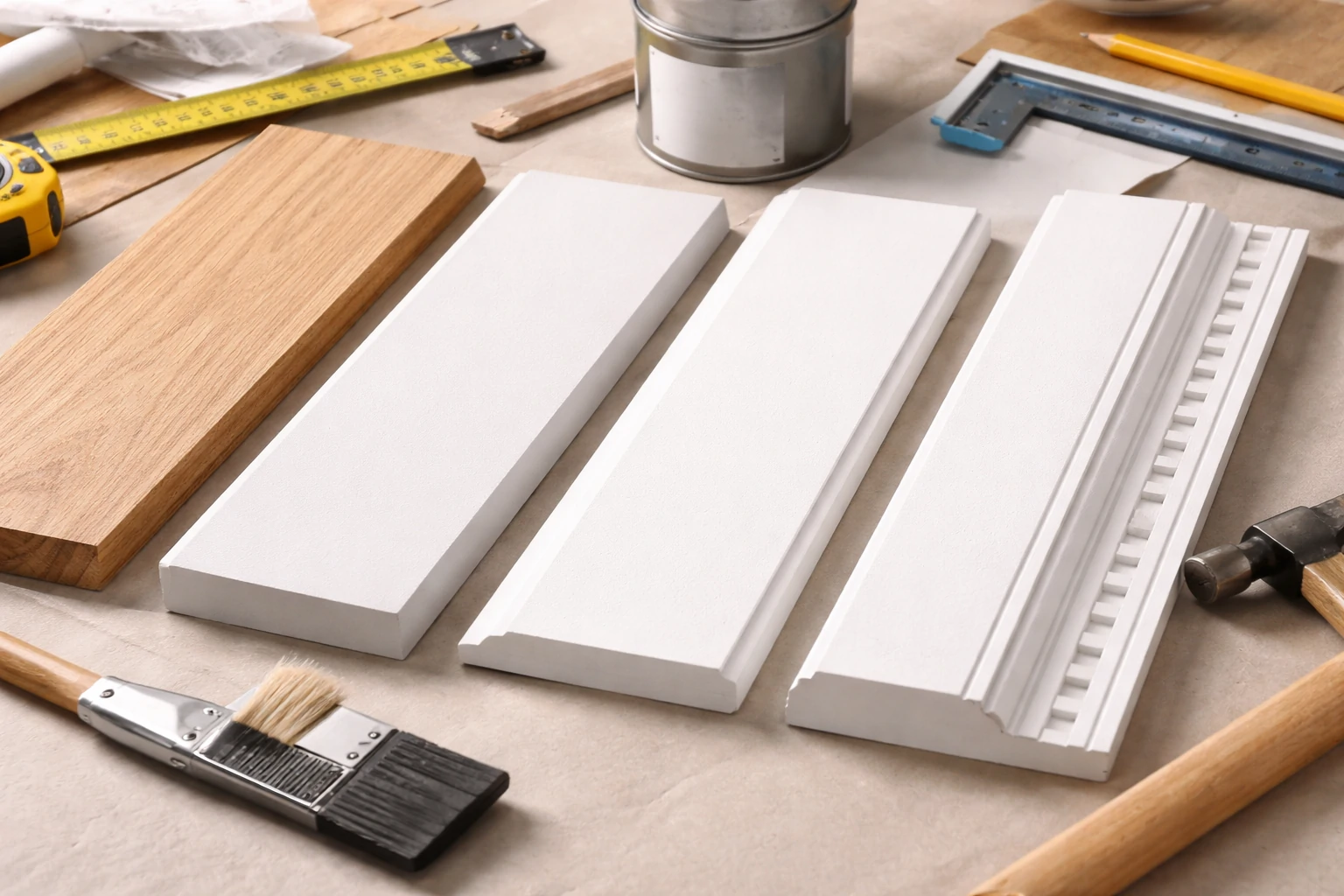
By Material
Wood remains a top choice. Oak and maple last for decades with proper care. It offers warmth and natural beauty. MDF costs less. It comes ready to paint. It works well in dry areas such as bedrooms or living rooms.
PVC suits bathrooms and kitchens. It resists water and does not rot. Homeowners who want low maintenance often choose this option. Each material fits different needs. Budget, moisture level, and design style all matter.
By Style
Plain frieze boards have smooth surfaces and clean lines. They suit modern or minimal homes. Ornate versions include dentil shapes or egg-and-dart patterns. These styles fit classic or traditional homes.
Some renters use creative solutions. One case showed how an IKEA shelf trim hack transformed a plain hallway into a detailed space. The project cost little but changed the look of the area.
Pro Tip
Match the trim to the room’s mood. Rustic wood fits well in kitchens with warm tones. Painted MDF suits bright bedrooms. Smooth PVC works best in wet spaces.
Step-by-Step Install Guide
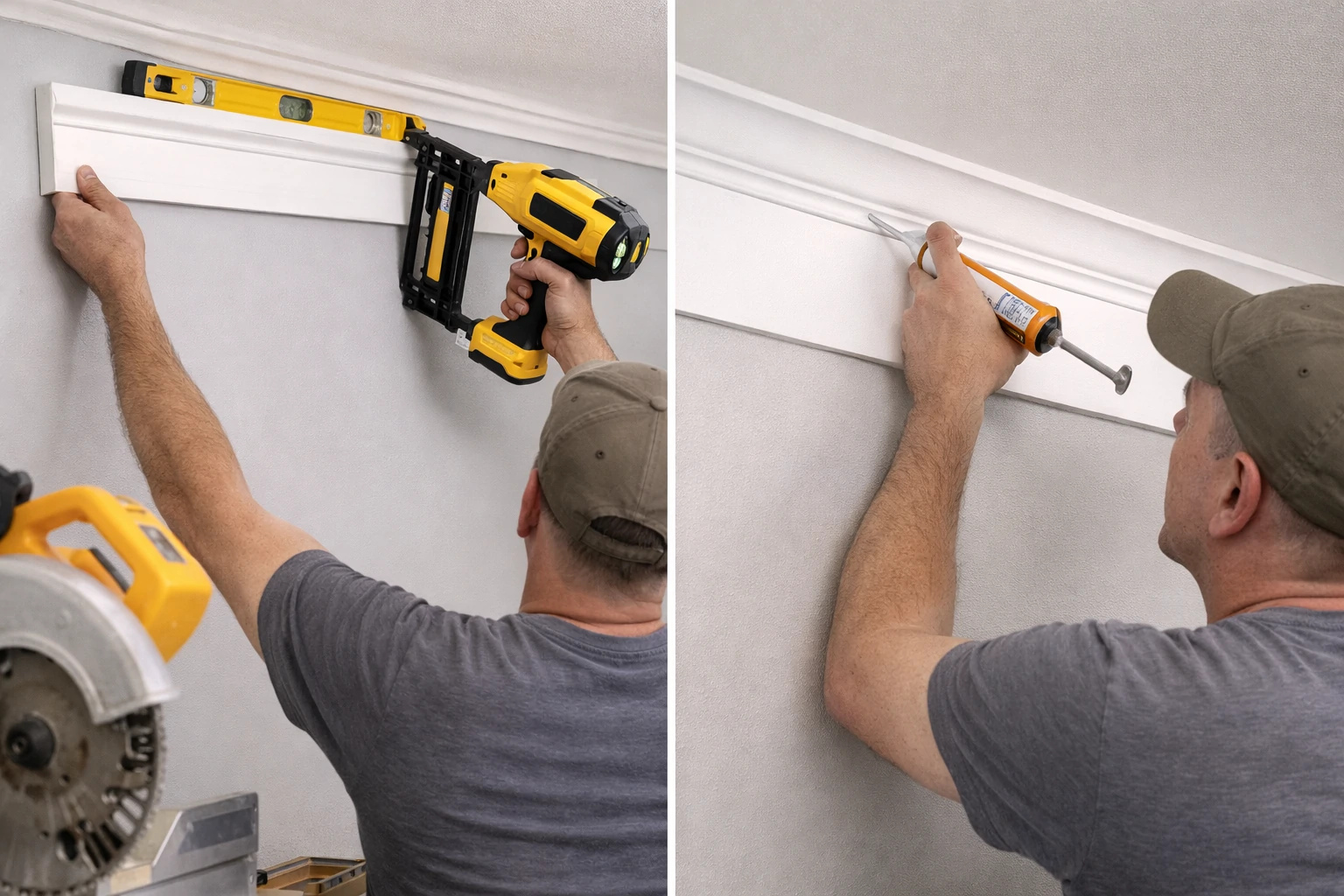
Tools and Preparation
Gather a level, saw, adhesive, nails, tape measure, and caulk. A stud finder also helps. Measure the wall width and height carefully. Check the ceiling line with a level. Measure twice before you cut. Experts say careful measuring prevents up to 80% of rework.
Mark the desired height. Most interior frieze boards sit between 8 and 10 feet in rooms with tall ceilings. Adjust based on room size.
Install Process
Cut the board to match the wall length. Dry-fit each piece first. This step helps check alignment. Apply adhesive to the back. Press the board against the wall. Secure it with nails into studs.
Check alignment again with a level. Fill nail holes with wood filler. Apply caulk along seams for a smooth finish. Sand lightly once dry. Paint or stain as desired.
Fix Common Errors
“Skip levels, get crooked regrets,” says builder Mike Ross. Uneven trim stands out quickly. Test-fit all pieces before final attachment. Avoid rushing. Small gaps may appear if cuts are off by even a few millimeters. Take time with corners and joints.
Fresh Design Ideas and Trends

Room-by-Room Ideas
In kitchens, bold contrast works well. Paint the frieze board darker than the wall to create depth. Bedrooms benefit from soft pastel shades. Light colors near the ceiling create a calm mood.
Living rooms often use layered trim. Pair a frieze board with crown molding to add dimension. Bathrooms gain style from waterproof PVC boards in matte white or soft gray.
2026 Hot Trends
Eco-friendly materials grow in demand. GreenBuild data shows a 25% rise in the use of sustainable trim materials. Mixed finishes appear in modern homes. Designers combine painted trim with brushed metal accents. This blend creates visual interest.
A flip project in Los Angeles added frieze boards to plain walls. The update raised the home value by 15% before resale. Buyers often notice small details.
Quick Design Wins
Pair trim with bold wall paint for a strong contrast. Add layered molding for more depth. DIY cost usually ranges from $2 to $5 per foot, depending on the material.
Care and Maintenance
A frieze board needs basic care. Dust it with a soft cloth. Wipe stains with mild soap and water. Inspect seams once a year. Look for cracks or peeling paint. Touch up small areas to keep a clean look. Wood trim may need to be repainted after several years. PVC requires less upkeep. Regular care keeps the details sharp.
Why Frieze Boards Matter Today
Homes compete in a busy market. Small design upgrades create strong first impressions. Realtor.com reported in 2025 that homes with quality trim sell 12% faster than similar homes without it. Buyers often view trim as a sign of care and quality.
Frieze boards cost less than full-wall remodels. They add visual interest and structure. They work in both large and small spaces when scaled properly.
Conclusion
Frieze boards offer easy elegance. They add shape, depth, and charm without major expense. This simple trim band changes how a room feels. History shows their lasting value. Modern trends prove they still fit today’s style. Material choices make them flexible for any budget or room type.
Homes with trim details often sell faster and attract more interest. The upgrade requires basic tools and careful planning. Even one room can show strong results. Your walls deserve thoughtful detail. A frieze board may be the small touch that transforms your space into something special.