
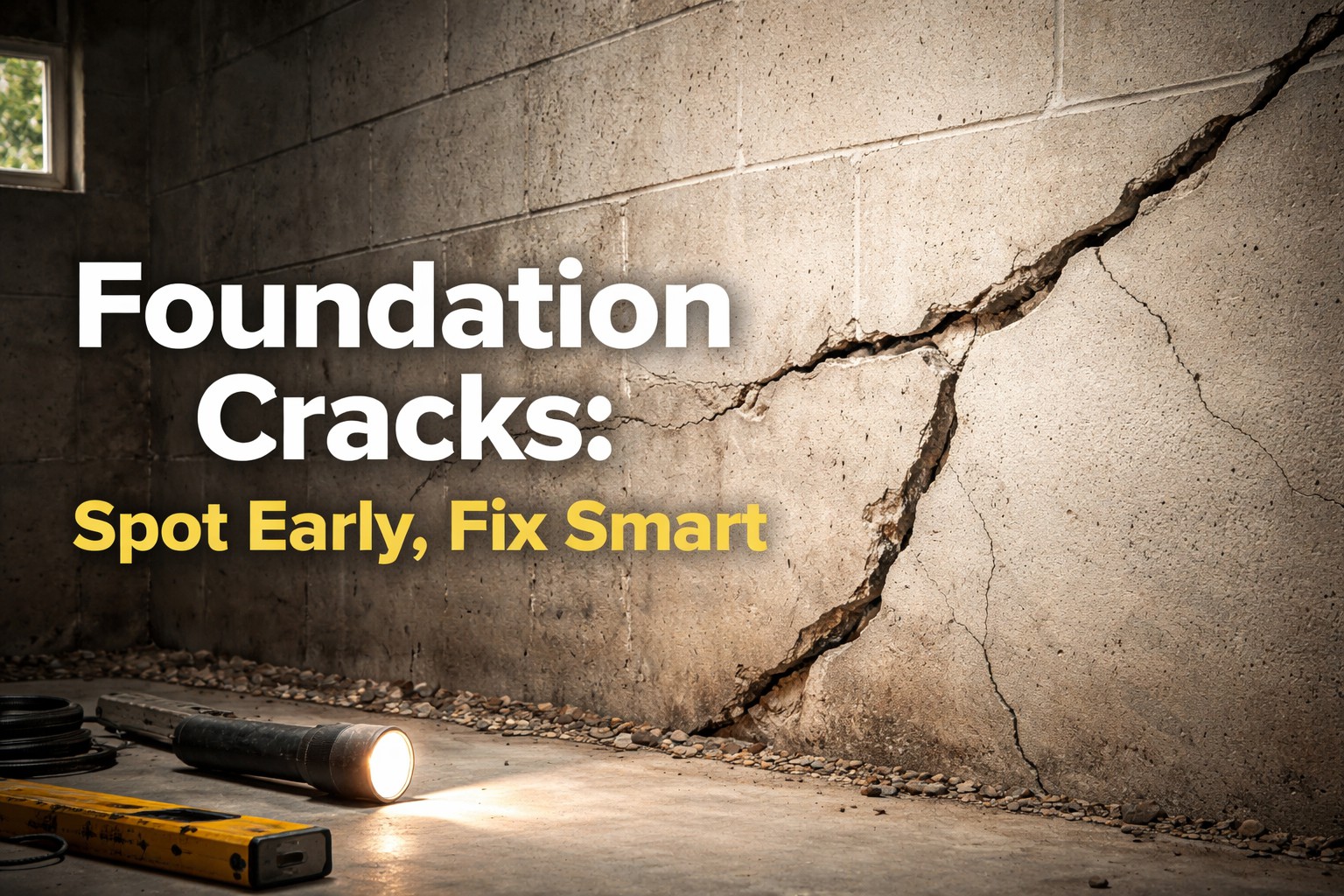
A home can look strong from the outside and still hide a problem below. That is what makes foundation cracks so stressful. One small line in a wall can seem harmless at first. Many people ignore it because the house still feels normal. Then the crack grows, the wall shifts, or water slips inside after rain. At that point, the repair bill often feels far worse than the crack itself.
The foundation holds the full weight of the house. It supports walls, floors, doors, and windows. When that base weakens, the rest of the home can react in slow but clear ways. Floors may slope. A door may stop shut well. Small wall gaps may appear where none existed before. These changes do not always happen at once. That slow change is one reason people miss the warning signs.
Many homes show some type of foundation crack at some stage. Some cracks are minor and stay stable. Others point to pressure, water trouble, or uneven settlement. The hard part is not every crack means the same thing. A thin vertical line may need nothing more than a watchful eye and a simple seal. A wide horizontal split may signal a deeper structural issue that needs expert help.
Why Foundation Cracks Matter
A foundation does more than hold up a house. It keeps the structure level and steady. It helps walls stay straight. It supports floor weight and helps doors and windows open the way they should. Once cracks form, that balance can change.
Some cracks stay small and never lead to major damage. Others widen over time and create trouble across the home. Water may pass through the gap. Soil pressure may push on the wall. One side of the house may settle more than the other. These issues can affect safety, comfort, and resale value.
A damaged foundation can also lead to problems that seem unrelated at first. You may notice broken tile, wall cracks near the ceiling, or trim that pulls away from the wall. These signs often confuse homeowners because they appear far from the foundation itself. In truth, the base of the house may be the reason behind them.
Repair costs also rise when people wait too long. A small crack that needs sealing may cost far less than a wall that later needs anchors, piers, or major drainage work. Quick attention often means simpler repairs and fewer surprises.
What Causes Foundation Cracks
Soil Movement
Soil below a house never stays exactly the same. It expands when it holds more water and shrinks when it dries out. That movement places stress on the foundation. Some soil types move much more than others. Clay soil is a common problem because it swells in wet weather and shrinks during dry periods.
This push and pull can create cracks over time. A house may stay stable during one season and then shift after a hot summer or a long wet spell. This pattern can repeat year after year and slowly wear down the foundation.
Homes built on loose or uneven soil face more risk. If one part of the ground moves more than another, one side of the home may sink faster. That uneven shift often leads to diagonal cracks and sloped floors.
Poor Drainage
When rainwater collects near the house, it can weaken the soil below. That loss of support may cause the foundation to settle. Water can also press against basement walls and create cracks or leaks.
Poor drainage often starts with simple things. Gutters may clog. Downspouts may end too close to the home. The yard may slope toward the house instead of away from it. Even a broken sprinkler line can keep the soil too wet in one area.
Once this pattern starts, the foundation may react in more than one way. One side may settle. Another wall may bow inward. That mix of water and pressure can turn a small issue into a costly repair.
Natural Settlement
Most homes settle a little over time. That part is normal. Concrete shrinks as it cures, and the house adjusts to the soil below. This type of movement often leads to small vertical cracks, especially in newer homes.
Normal settlement usually creates minor cracks that do not grow much. Trouble starts when the movement does not stop or when one area drops more than the rest. In that case, the crack pattern often changes and becomes more serious.
Construction Problems
Some foundation cracks start with the way the house was built. Weak concrete, poor soil prep, rushed work, or weak footings can all lead to early trouble. A home may look fine when new, but hidden flaws can show up after a few seasons.
Not every crack means poor work caused it. Still, construction quality plays a major role in how well a foundation resists pressure, water, and time.
Types of Foundation Cracks
Vertical Cracks
Vertical cracks run up and down or close to straight. These are common in poured concrete foundations. In many cases, they come from normal settlement or concrete shrinkage.
A thin vertical crack is often less serious than other types. If it stays narrow and dry, it may only need sealing and routine checks. Still, it should not be ignored. Even a minor crack can allow moisture inside if left open.
Horizontal Cracks
Horizontal cracks deserve more concern. They often mean outside pressure pushes hard against the wall. Wet soil and poor drainage are common reasons. The wall may not only crack but also start to bow inward.
This type of crack can point to structural stress. If the wall shifts, the problem may grow fast. Horizontal cracks often need a professional review as soon as possible.
Diagonal Cracks
Diagonal cracks often show up when one part of the foundation settles more than another. They may run from the corner of a window or from the edge of a wall. The angle gives a clue that the load across the home is no longer even.
Some diagonal cracks stay small. Others widen at one end, which can mean active movement. That change matters and should be tracked.
Stair-Step Cracks
Stair-step cracks are common in brick or block foundations. This type often points to settlement or pressure from the outside soil.
These cracks can look minor from a distance, but they often signal movement that affects a wider section of the wall. A close inspection helps reveal how active the problem is.
Signs to Watch Inside the Home
Foundation trouble rarely hides in the basement alone. The rest of the house often gives clues.
Doors that once shut with ease may start to stick. Windows may jam or leave gaps. Floors may feel uneven under your feet. Cracks may form above doors, near window corners, or along ceiling lines. Baseboards may pull away from the wall. Cabinets may tilt slightly. These small signs often show that the structure has shifted.
It helps to walk through the home with fresh attention. Look at corners. Check trim. Stand back and see if floors or walls seem off. A level tool can also help confirm a slope that your eyes already suspect.
Do not assume age alone explains these issues. Older homes can settle, but active movement still needs attention. A change that appears fast matters more than a flaw that has stayed the same for years.
Signs to Watch Outside the Home
The outside of the house can reveal just as much. Walk around the full perimeter and study the foundation walls. Look for cracks, bulges, gaps, or areas where soil seems to sink.
Watch how water behaves after rain. If puddles stay near the house, drainage may need work. Check gutters and downspouts. Notice whether one side of the yard stays wet much longer than the rest.
Concrete walkways, patios, and driveways also offer clues. If they tilt toward the house or crack near the foundation, soil movement may be part of the cause. Exterior brick cracks, especially stair-step lines, also deserve close attention.
A home speaks through these signs. The goal is to notice them early, before they combine into a larger problem.
How to Tell if a Crack Is Serious
Not every crack means danger, but some signs raise concern fast. Width matters. A hairline crack may need only a watchful eye. A crack that grows wider or longer over time needs more attention.
Shape matters too. Horizontal cracks often rank as more serious than thin vertical ones. Location also matters. A crack near a bowed wall or a spot where water enters deserves quick action.
Change is another major clue. Mark the ends of a crack with a pencil and note the date. Measure the width. Check again after a few weeks or months. If the crack grows, the foundation may still be moving.
Water also changes the situation. Even a small crack becomes a larger issue if rain seeps through it. Moisture can damage the home and increase mold risk.
Repair Options
Sealants and Injections
Small non-structural cracks often respond well to epoxy or polyurethane injection. These materials fill the gap and help block water. This option works best when the foundation itself remains stable.
A seal alone will not solve active settlement or wall movement. It treats the crack, not the root cause. That is why proper diagnosis matters before repair starts.
Wall Reinforcement
If a wall bows or shows major pressure signs, reinforcement may help. Contractors may use wall anchors, braces, or carbon fiber straps. These systems help stop further movement and add support to the wall.
Each method suits a different level of damage. The best choice depends on wall type, crack pattern, and outside soil pressure.
Piering and Underpinning
When a foundation sinks, deeper support may be needed. Piers can reach stronger soil below the weak upper layer and help lift or stabilize the home. This method often helps in homes with major settlement issues.
This type of repair costs more than basic crack sealing, but it addresses the deeper cause and can prevent future damage.
Drainage Correction
A crack repair may fail if poor drainage stays in place. Gutters, grading, downspout extensions, and drainage systems often play a big role in long-term success. The foundation needs dry, stable soil around it. Without that, new cracks can return.
Can You Fix It Yourself
Some small cracks can be sealed by a homeowner. If the crack is thin, dry, and clearly stable, a DIY repair may work as a short-term or even long-term fix. The area must be cleaned well, and the right product must be used.
DIY repair has limits. It should not replace a professional review when cracks are wide, horizontal, wet, or tied to clear movement in the house. Many people waste money on surface fixes that hide the crack but leave the real cause untouched.
Use common sense here. A minor crack may suit a home repair kit. Structural signs call for expert help.
How to Prevent Foundation Cracks
Prevention starts outside. Keep water away from the home. Clean gutters on a regular schedule. Extend downspouts so they carry water far from the base of the house. Make sure the yard slopes away from the foundation.
Keep soil moisture as steady as possible. Long dry periods can shrink soil fast, especially in clay-heavy areas. In some cases, careful watering near the foundation during dry weather helps reduce sharp soil change.
Trees and large shrubs also matter. Roots can pull moisture from the ground and dry it too much in one area. Plant them with care and keep large roots away from the house.
Check the home at least once or twice each year. Look at walls, floors, doors, and exterior concrete. Small checks take little time and often catch trouble early.
Cost and Value
Foundation repair costs vary a lot. A minor crack repair may stay fairly affordable. Structural work such as piers, anchors, or major drainage updates can cost much more. The final price depends on the cause, the repair method, and the extent of the damage.
Still, delay often costs more. Small cracks can grow. Water damage can spread. Resale value can drop if buyers see signs of foundation trouble.
Many buyers request repairs or lower offers when they notice structural issues. A timely repair protects more than the house. It protects your budget and peace of mind too.
Common Questions
Conclusion
Foundation cracks can look small and still deserve respect. Some come from normal settlement and stay minor. Others point to soil movement, water trouble, or pressure that can weaken the structure. The key is not panic. The key is attention.
A homeowner who knows what to watch has a major advantage. Thin vertical cracks, stuck doors, sloped floors, wall gaps, and wet basement spots all tell part of the story. Once you understand those clues, you can act before the damage grows worse. That early step often means a simpler fix and a smaller bill.
Good drainage, regular checks, and steady soil conditions can lower the risk. These steps are simple, but they matter. A strong foundation supports every room in the house. When that base stays sound, the whole home feels safer, drier, and more secure.
Take a close look at your home today. Walk the inside. Check the outside. Pay attention to changes, even small ones. A foundation crack may start as a line in the wall, but your response decides whether it stays minor or turns into a major problem.