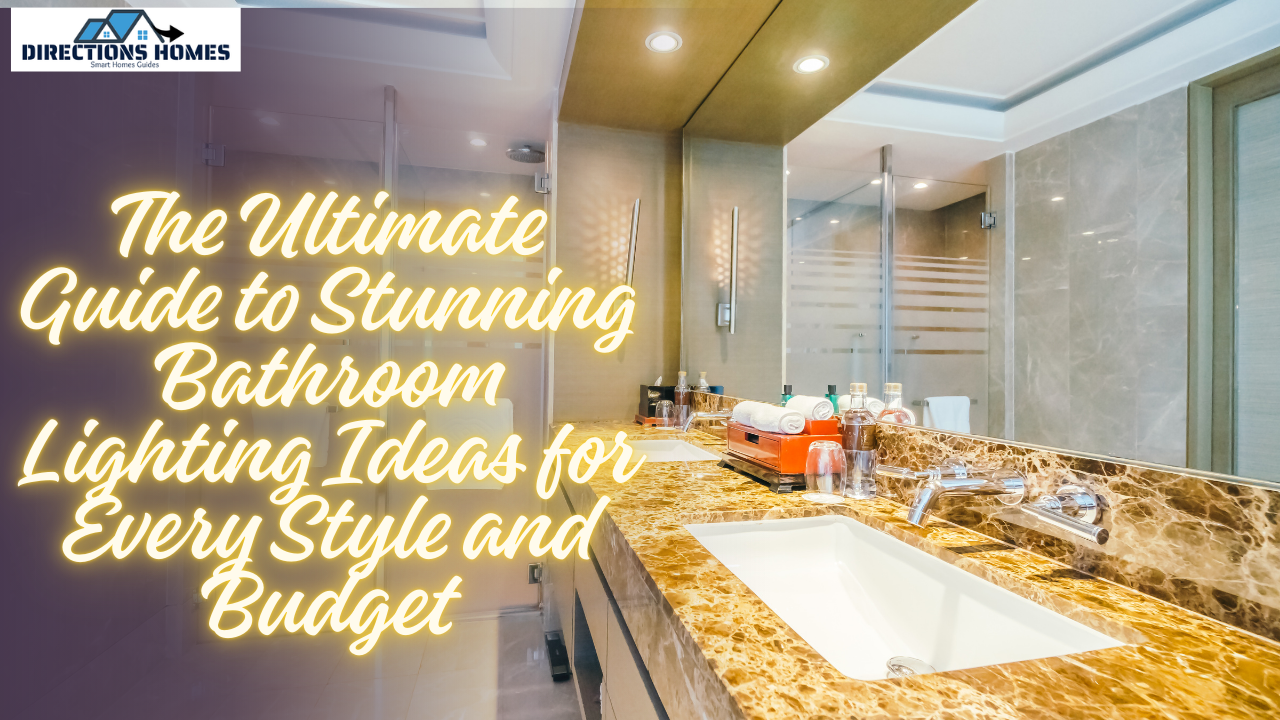
Ever walked into a bathroom that feels dim and dreary? You fumble for the switch, but the light casts harsh shadows on your face while you brush your teeth or apply makeup.
This common oversight turns a daily necessity into a chore, messing with your mood and even your precision during grooming tasks like shaving. Good bathroom lighting ideas fix that fast.
This guide covers everything you need to know. You’ll learn layering techniques to blend function and style. We dive into fixture picks, color temps, trends, and smart tech. Plus, budget tips make upgrades easy. By the end, you’ll see how the right setup turns your space into a bright, inviting spot.
Layering Light
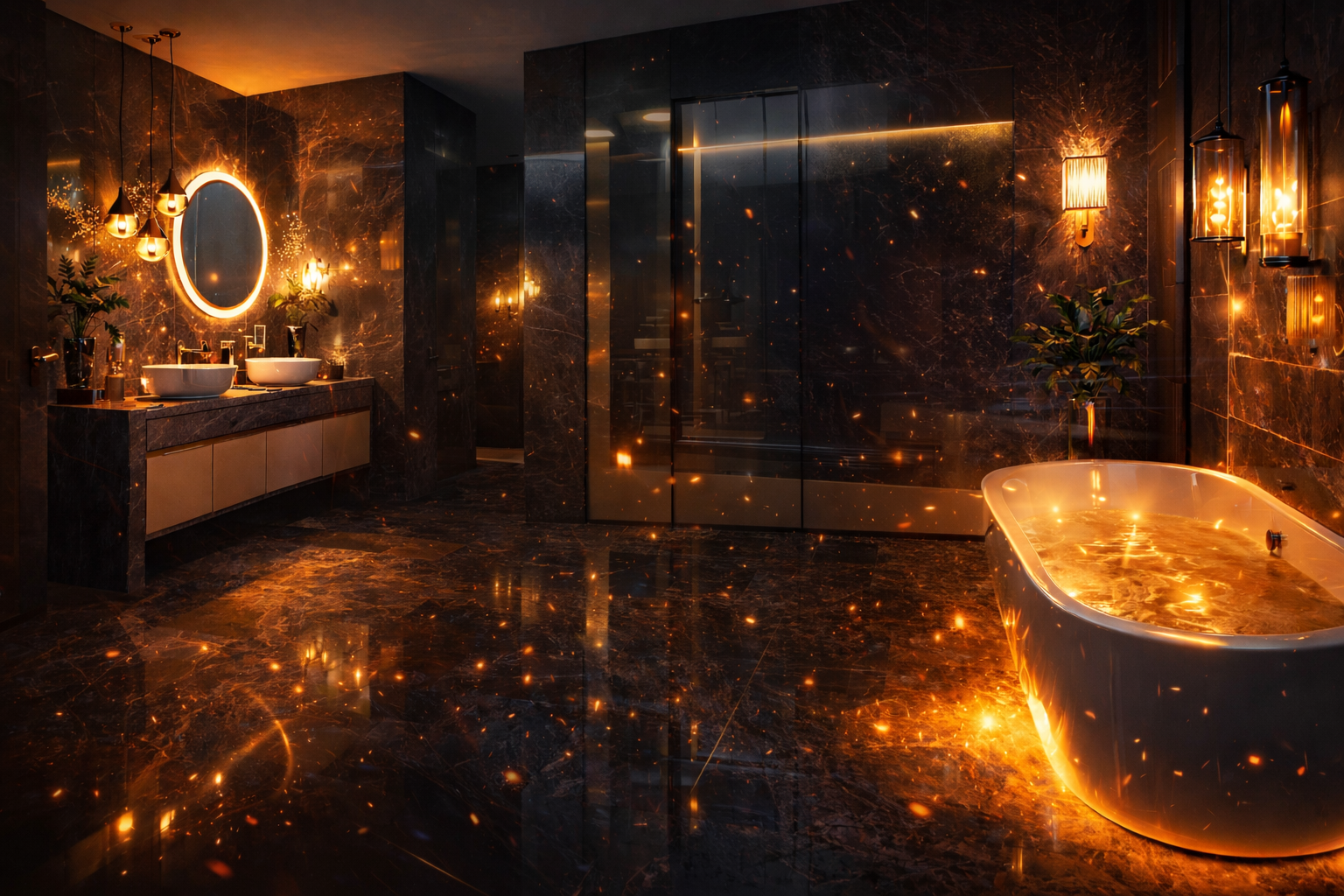
Layering light means using different sources to meet various needs. Think of it as building a sandwich: each layer adds flavor without overwhelming the rest. In bathrooms, the three main types—ambient, task, and accent—create balance. Without them, your room might feel flat or too stark.
Ambient light sets the base tone for the whole space. Task lighting zeros in on work areas like the sink. Accent highlights fun details. Together, they make the bathroom safe, useful, and pretty. Skip one, and you risk shadows or boredom.
Pros swear by this approach for small or large baths alike. It saves energy too, since you only light what you need. Ready to break it down?
Ambient Lighting
Ambient lighting acts as your room’s main glow. It fills the space evenly so you can move around without strain. For bathrooms, pick options that fit your ceiling height and style.
Ceiling fans with lights work well in humid spots. They double as air movers. But focus on fixtures that handle moisture.
Recessed Can Lights
Recessed cans hide in the ceiling for a clean look. Place them every 4 to 6 feet to spread light well. Aim for 4-6 inches in diameter; they suit most homes.
Shadows pop up if you space them wrong. Center one over the shower and vanity for even coverage. Go for IC-rated ones—they’re safe near insulation and handle steam.
Wet-rated cans shine in shower areas. They prevent shorts from water splashes. Install dimmable LEDs here for mood control. A pro tip: pair with baffles to cut glare.
Flush Mount and Semi-Flush Mount Fixtures
Flush mounts hug the ceiling tight. Perfect for baths under 8 feet high. They save headroom and look sleek. Modern versions use frosted glass for soft diffusion. Traditional ones feature brass arms and shades. Both add charm without bulk.
In a small powder room, a simple white flush mount brightens without crowding. Semi-flush styles hang a bit lower, like a mini chandelier. They suit 8-10 foot ceilings and bring drama.
Task Lighting: Precision Where You Need It Most
Task lights target spots like mirrors for clear views. No more squinting at uneven skin tones. This layer prevents accidents during close-up jobs.
Vanity areas demand bright, direct beams. Side lighting beats overhead to kill shadows. It’s a game-changer for morning rushes. Choose fixtures that mount easily. LEDs last long and stay cool. Focus on glare-free designs.
Sconces: Optimal Height and Spacing Recommendations for Flanking the Mirror
Sconces frame your mirror like bookends. Hang them 60-65 inches from the floor—eye level for most adults. Space them 28-34 inches apart for single sinks.
Vertical sconces elongate the wall. They suit tall mirrors. Horizontal bars spread light wider, great for double vanities. Test the glow: stand back and check for dark spots. Matte finishes cut reflection. In a guest bath, slim black sconces add edge.
Integrated Mirror Lighting
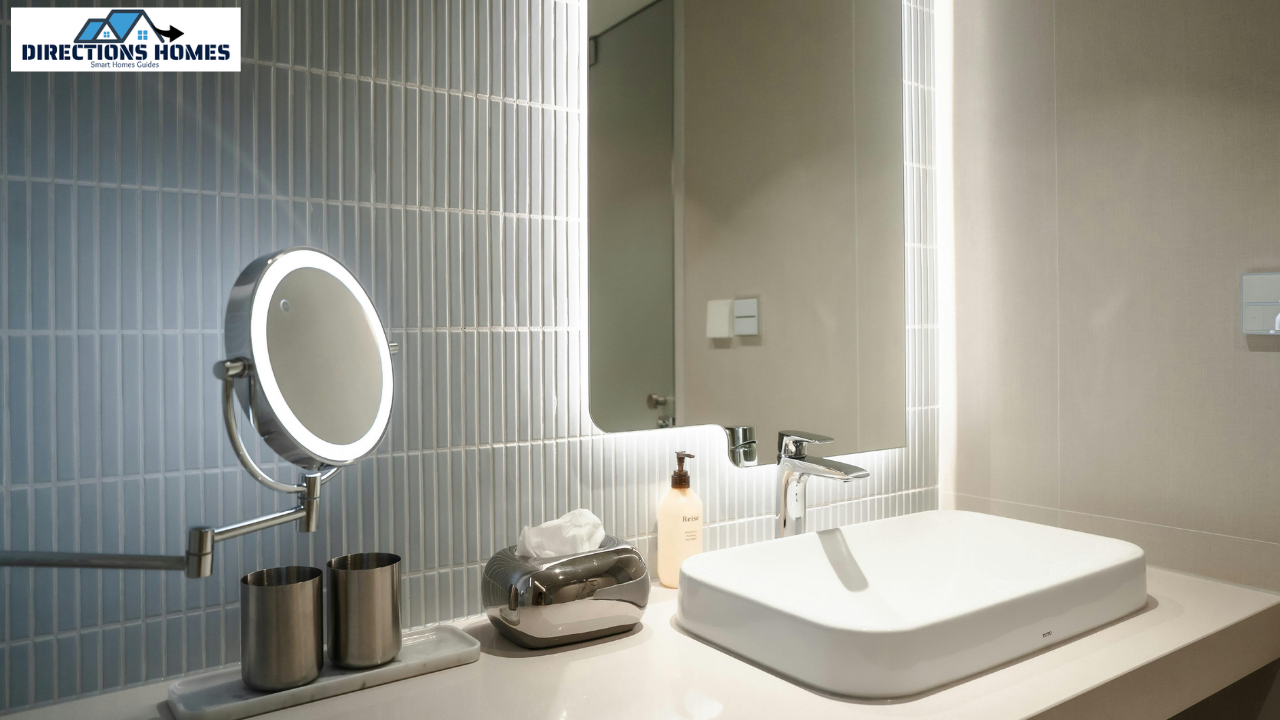
Backlit mirrors glow from behind for even wash. No need for extra fixtures. They slim down the look and save wall space. Front-lit versions use slim LEDs around the edge. Adjust brightness with touch sensors. Both cut energy use by 80% over old bulbs. These hit trend lists in 2026. Easy install: just plug in. Ideal for renters dodging drills.
Accent Lighting: Highlighting Architectural Features
Accent lights spotlight details like shelves or artwork. They add depth and warmth to plain walls. Use them sparingly to avoid clutter.
LED strips offer flexibility. Tuck them in corners for subtle effects. This layer ties the design together. In steamy baths, waterproof options rule. They boost safety on slick floors. Think spa, not stark.
Shower Niche Lighting
Shower niches deserve their own glow. LED strips line the edges to highlight mosaic tiles. Puck lights sit inside for focused beams.
Waterproof ratings like IP65 keep things safe. Place pucks at 12 o’clock and 6 for no shadows. It turns a basic shelf into art. Safety bonus: soft light guides steps in dim showers. Dimmable strips let you relax. Pair with colorful tiles for pop.
Toe-Kick Lighting
Toe-kick lights hide under cabinets. They create a floating vibe for vanities or tubs. Motion sensors kick on at night. Install thin LED tapes—easy and cheap. Aim for warm tones to soothe. It lights paths without blinding. This trend exploded in 2025 remodels. Walk-ins feel secure. Plus, it hides floor mess.
Mastering Color Temperature and Brightness (Lumens and Kelvin)
Light’s feel comes from temp and power. Wrong choices make skin look off or the room cold. Get this right for a flattering space. Kelvin measures warmth. Lumens count brightness. Dimmers tie it all. Mix them for versatility. Test samples in your bath—daylight changes everything.
Choosing the Right Color Temperature (Kelvin Scale)
Kelvin rates light’s hue, from yellow to blue. Warm white (2700K) feels cozy, like candlelight. Cool white (5000K+) mimics day.
Neutral (3000-4000K) suits baths best. It shows true colors without harshness. Avoid extremes for daily use. Why care? Makeup looks wrong under cool light. Warmth relaxes, but too much yellows everything.
Vanity Mirror Recommendations
At the mirror, stick to 3000-4000K. It flatters faces without tricks. Brands like Philips offer tunable options. Test with your routine. Shaving needs clarity; evenings call for calm. Swap bulbs if needed—quick fix. Data shows 90% of users prefer this range for grooming. It cuts errors in application.
Understanding Brightness Levels (Lumens)
Lumens measure true output, not old watts. Higher means brighter. A 60-watt bulb equals 800 lumens. Bathrooms need 200-400 total for small spaces. Scale up for larger ones. Focus on usable light, not raw power. LEDs pack more punch per bulb. They run cool in humid air.
Recommended Lumen Counts by Fixture Type
Ambient: 100-200 lumens per square foot. Covers the room softly. Use 800-1200 for a standard bath. Task at vanity: 700-1300 lumens. It fights shadows head-on. Split between two sconces for even spread. Accent: 200-500 total. Subtle boosts features. Adjust with apps for precision.
The Power of Dimmers
Dimmers let you tweak intensity. Bright for tasks, low for baths. Essential for layers. Compatible LEDs avoid flicker. Install one per zone. It saves 20% on bills. Rhetorical nudge: Why settle for all-or-nothing? Dimmers make mornings versatile.
Current Trends in Bathroom Lighting Fixtures
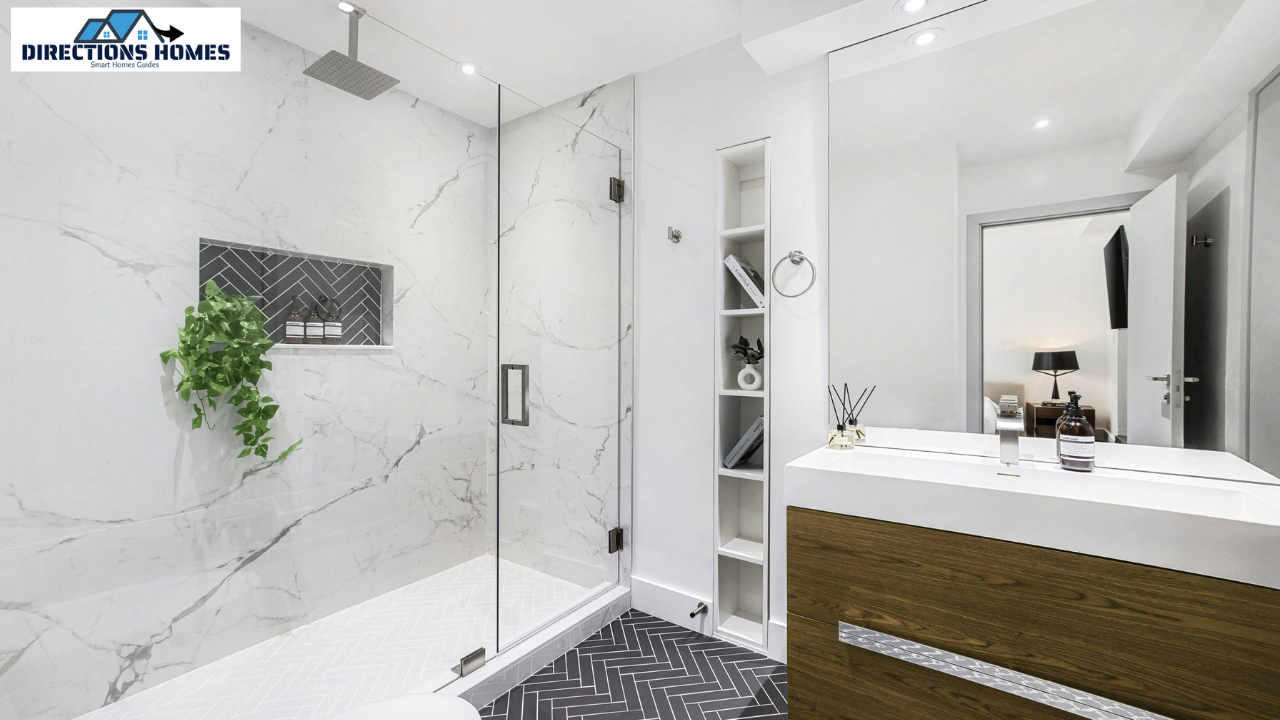
Trends shift, but 2026 favors clean lines and metals. Bold shapes mix with tech. They fit any budget. Vanity and overhead picks lead. Finishes like brass warm up whites. Go bold in master suites. These ideas refresh without full guts.
Vanity Lighting Trends
Vanity setups evolve fast. Horizontal lines beat round bulbs. They wash light evenly. Sculptural pieces steal shows. Think art that works.
Linear Pendants and Vanity Strips
Linear pendants hang slim over sinks. They span the mirror for no-dark-spot coverage. Better than bulky bars. Strips use LED bars for seamless glow. Install under cabinets or as backs. They cut shadows by 50%. In modern baths, matte versions hide cords. Easy swap for old fixtures.
Statement Sconces
Ditch plain globes for twisted metal arms. They draw eyes like jewelry. Gold tones pair with marble. Architectural sconces mimic building shapes. Concrete looks add edge. Place pairs for symmetry. These turn vanities into anchors. Budget: $50-200 each.
Overhead and Decorative Trends
Overhead lights set tones. Chandeliers add flair in big spaces. Keep scale right. Finishes trend dark or warm. They ground busy tiles.
Sputnik and Geometric Chandeliers
Sputnik styles burst with arms like stars. Hang in 10×10 baths for drama. Mid-century vibe fits retro tiles. Geometric chandeliers use shapes like hexagons. Clear glass lets light dance. Dimmable for evenings. Install 7-8 feet high. They wow guests.
Matte Black and Brushed Brass Finishes
Matte black hides smudges. It contrasts white subway tiles. Sleek in minimal setups. Brushed brass warms grays or blues. It ages nicely. Pairs with veined marble. 2026 stats: 60% of new installs pick these. Versatile winners.
Smart Lighting and Advanced Bathroom Technology
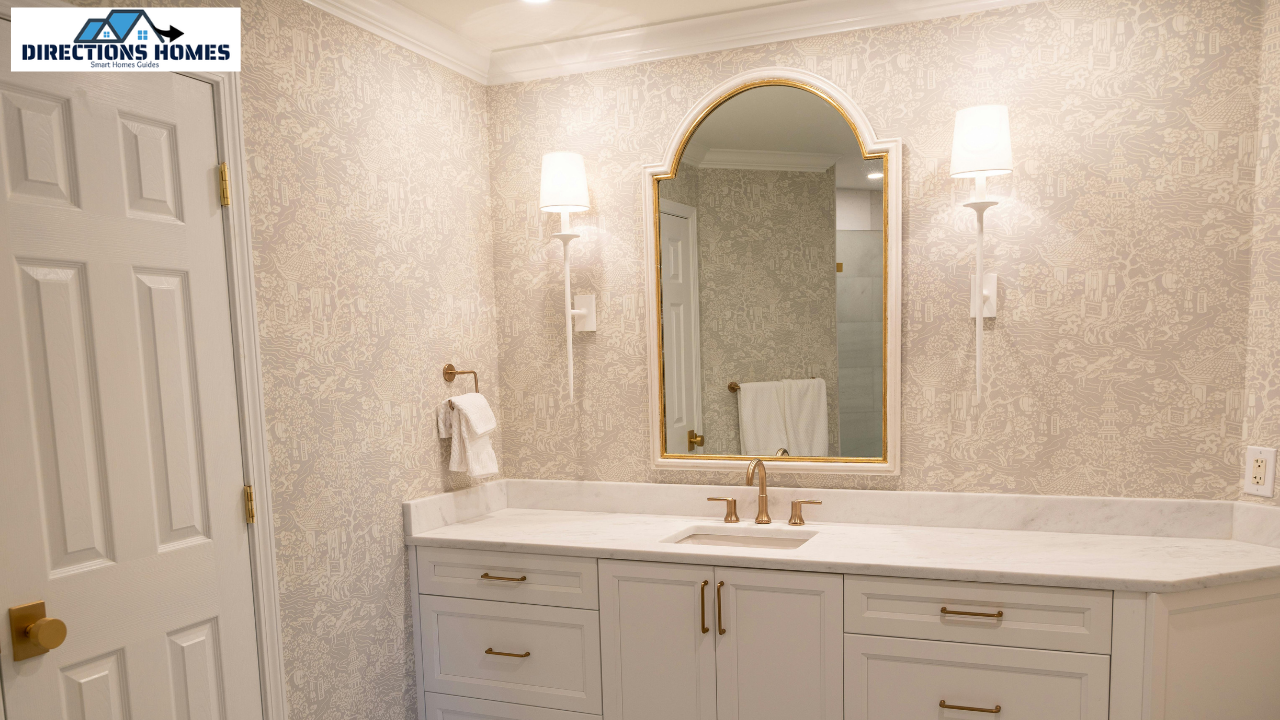
Smart lights connect to phones or voices. They learn your habits. Energy drops, convenience rises. Voice commands free wet hands. Colors shift moods. Sensors add smarts. Start small: one bulb. Expand as you like.
Voice Control and Automation
Voice tech runs the show. Say “lights on” mid-shower. No fumbling. Link to hubs for routines. Morning brightens vanities auto. It fits Alexa or Google setups easy.
Integrating with Home Ecosystems
Alexa bulbs respond quick. “Alexa, dim bath” sets spa mode. Google works the same. Compatible with 80% of smart homes now. Add strips for full control. Hands-free cuts slips. Voice grows in wet zones.
Color-Changing (RGBW) Capabilities
RGBW bulbs mix hues. White base plus colors. Fun for themes. Practical: white cleans; amber relaxes.
Setting Scenes
Bright white scrubs grout fast. 5000K blasts dirt. Switch to amber for soak time—cozy glow. Apps set presets. Kids love color play. Energy same as plain LEDs. Mood scenes boost calm. Try blue for focus.
Motion Sensors and Timers
Sensors light paths auto. Timers shut off forgotten ones. Night use: soft glow to toilet.
Night Lights
Toe-kick sensors flicker on steps. 100 lumens max—no wake-ups. Timers run 5-10 minutes. Battery lasts years. Safe for kids or elders. Install in hours.
Budget-Friendly Bathroom Lighting Upgrades
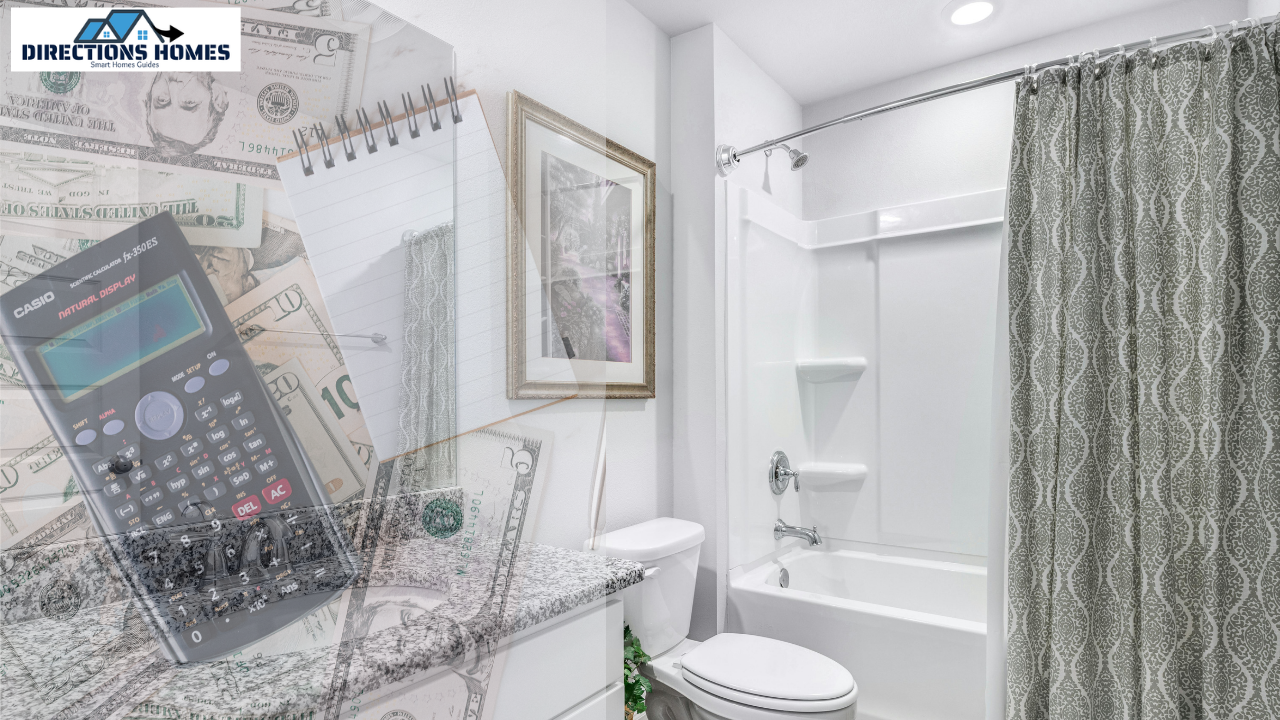
Upgrades don’t need big spends. Swap bulbs or fixtures quick. Renters love plug-ins. Focus on impact. LED drops costs long-term. DIY most; hire for wiring.
Focus on Bulb Replacement
New bulbs transform old setups. High CRI shows colors true.
Switching to High-CRI LED Bulbs
Explaining Color Rendering Index (CRI) and Why a CRI of 90+ Is Essential for Accurate Color Reflection, Even with Existing Fixtures.
CRI rates color pop. 90+ makes lipstick match reality. Beats 80 in old halogens. LEDs with high CRI cost $5-10 each. Screw in, done. Last 25,000 hours. Test in your light. Skin looks alive.
Simple Fixture Swaps
Swap vanities in an hour. Tools: screwdriver, ladder.
Replacing Outdated Vanity Bars
Actionable Tips for Safely Swapping an Old Light Bar for a Modern, Energy-Efficient LED Strip Fixture in Under an Hour
Turn off power first. Unscrew old bar. Wire new strip—match colors. Mount with clips. Plug if corded. Test glow. Saves 70% energy. $20-50 kits abound.
Conclusion
Layered lighting: ambient, task, and accent build the base. Kelvin at 3000-4000K flatters; high lumens brighten tasks. Dimmers and trends like linear vanities add polish.
Smart tech brings ease; budget swaps deliver quick wins. Master these, and your bathroom shines. Ready to light up? Pick one idea today. Transform that space into your retreat.