A home should not waste energy or increase your monthly costs without reason. Sustainable home building appchousehold focuses on solving this problem. It improves how a home uses energy, water, and materials in a simple and practical way.
This approach does not depend on expensive upgrades alone. It focuses on practical choices that improve how a home performs over time. A well-planned home can reduce energy waste, control water use, and create a cleaner indoor space.
These changes improve both living quality and long-term value. The idea is simple. Build or manage a home in a way that saves resources and improves comfort without extra complexity.
Real Proof Behind Sustainable Home Building
Sustainable home building is not just a trend. Trusted groups such as the U.S. EPA define green building as a way to create homes and buildings that use resources wisely through design, construction, use, repair, and future renovation.
The U.S. Department of Energy also supports efficient home design. It says an efficient home can combine better construction, efficient appliances, smart lighting, and renewable energy systems. This proves that sustainable homes depend on both design and daily use.
ENERGY STAR adds another trust point. Its certified products and homes meet strict energy-efficiency rules. The energy performance behind the ENERGY STAR label also gets independent verification.
Trusted Sources Users Can Check
User experience also supports this idea. A home with better insulation, LED lights, low-flow fixtures, and smart controls can feel more comfortable and easier to manage. The biggest benefit often comes from steady small upgrades, not one costly change.
How a Sustainable Home System Works
A sustainable home system combines construction decisions with daily use patterns. It starts with the layout and materials. It continues with how people use energy, water, and appliances.
A well-designed system controls heat, airflow, and light. It reduces the need for constant heating or cooling. It also ensures that energy does not go to waste.
Balance is the key factor. A home should not focus only on cost savings or only on environmental goals. A good system connects both. This creates a home that feels stable, efficient, and easy to manage.
Core Elements That Drive Real Results
A strong system depends on a few core parts. Each part improves a specific area of the home.
| Component | Role in Home | Practical Example |
|---|---|---|
| Energy Control | Reduces power waste | Insulation, LED lighting |
| Water Efficiency | Limits water loss | Low-flow fixtures |
| Material Quality | Improves safety and durability | Recycled wood, eco paint |
| Smart Control | Manages systems easily | Mobile-based controls |
| Waste Handling | Reduces daily waste | Compost and recycling |
Each component works with the others. A weak area can reduce the overall performance. A balanced setup delivers better results.
Energy Use That Stays Under Control
Energy use often becomes the biggest expense in a home. A sustainable setup focuses on reducing this load without reducing comfort.
Insulation plays a major role. Walls and roofs that hold heat reduce the need for heaters and air conditioners. Windows also matter. Proper glazing prevents heat loss.
Appliances should match the same goal. Energy-efficient models use less power and last longer. Lighting upgrades also help. LED bulbs reduce energy use and require less replacement.
Small actions also matter. Turning off unused devices and using natural light can reduce daily consumption. These habits support the system without effort.
Smart Control That Simplifies Daily Life
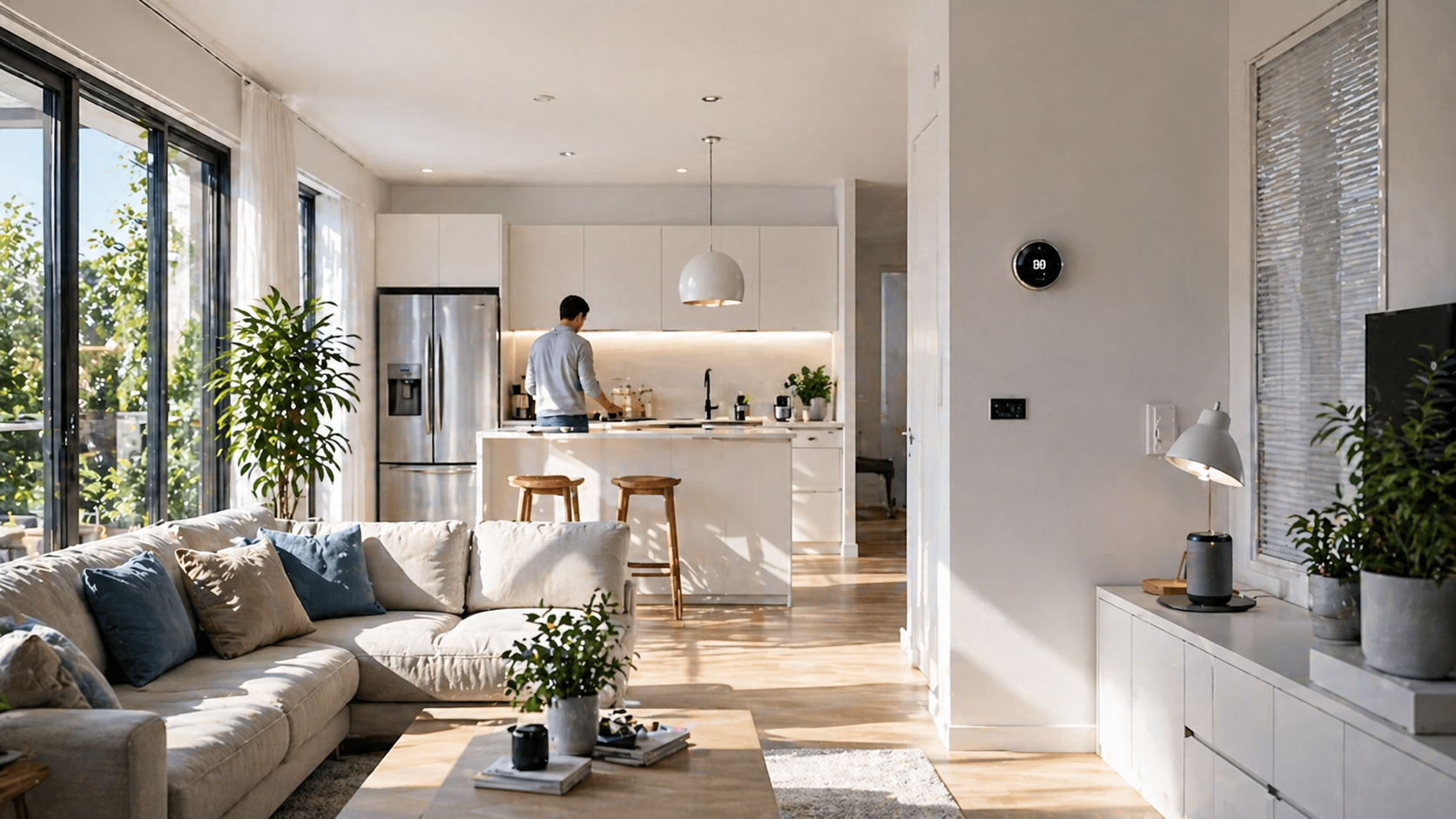
Smart control systems make home management easier. They reduce manual effort and prevent waste. A thermostat can adjust temperature based on usage patterns. Lights can switch off when rooms are empty.
Appliances can run during low-energy hours. These tools work through mobile apps. Users can monitor usage and make quick adjustments.
This control leads to better decisions and lower costs. A smart system does not need to be complex. Even basic tools can improve efficiency when used correctly.
Material Choices That Improve Safety and Durability
Material selection affects both health and long-term performance. Poor-quality materials may release harmful substances or wear out quickly. Eco-friendly options provide a better alternative. These include:
- Bamboo and recycled wood
- Low-chemical paints
- Durable insulation materials
These materials improve indoor air quality. They also reduce the need for frequent repairs or replacements. Design also supports material performance. A layout that uses natural light reduces the need for artificial lighting.
Proper airflow improves comfort and reduces moisture problems. Strong materials also protect the structure over time. Issues like foundation cracks can reduce durability and increase repair costs.
Water Control That Reduces Daily Waste
Water use often goes unnoticed. A standard home may waste large amounts without clear signs. Simple upgrades can reduce this waste:
- Low-flow taps reduce water use
- Efficient shower heads control pressure
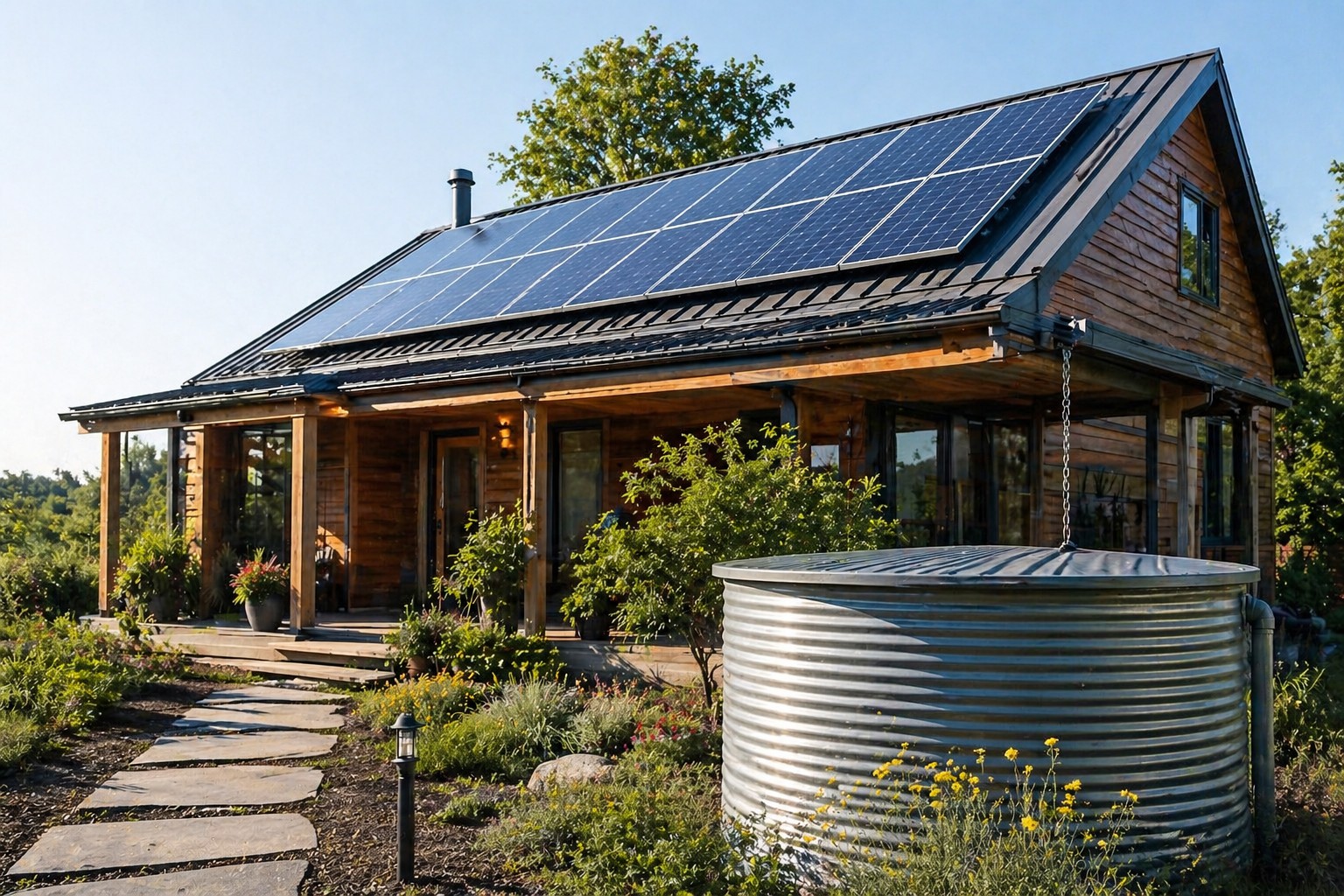
- Rainwater storage systems provide a backup supply
These changes do not affect comfort. They reduce water bills and protect resources. Waste control also plays a role. A basic system can include sorting waste and composting organic material. This reduces landfill use and keeps the home environment clean.
Water quality is also important. A whole-house reverse osmosis system can improve water safety and reduce waste.
Real Gains You Will Notice
A sustainable home does not show results in one day. Benefits appear over time and continue to grow.
- Energy costs decrease each month
- Indoor air feels cleaner and healthier
- Maintenance needs become lower
- Property value improves
- Daily control becomes easier
These benefits create a stable and efficient living environment. Each improvement supports long-term comfort.
Budget Planning Without Pressure
Cost concerns often stop people from starting. A full upgrade may not be necessary. A step-based plan works better. Start with low-cost changes such as lighting and water fixtures. Move to insulation and appliances later.
This approach spreads the cost over time. Savings from early upgrades can support later improvements. A clear plan reduces financial pressure and keeps progress steady.
When This Approach Makes the Most Sense
A sustainable home-building approach works best when a home needs better control over cost, comfort, and resources. It is not only for new houses. It can also help older homes perform better.
This approach makes the most sense for:
- New home construction
- Renovation projects
- Homes with high energy bills
- Areas with water shortage
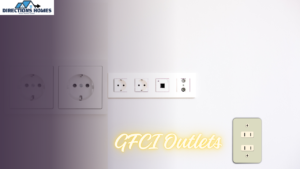
A new build gives more freedom to plan insulation, layout, materials, and smart systems from the start. A renovation gives homeowners a chance to fix weak areas step by step. Electrical safety also matters in modern homes. Devices like GFCI outlets help prevent shock and improve system safety.
Homes with high power bills can benefit from better lighting, appliances, and temperature control. Areas with water shortage need low-flow fixtures, rainwater use, and smarter water habits.
Practical Example That Shows Real Impact
Consider a simple home upgrade plan. A homeowner replaces old lights with LED bulbs. They install a basic smart thermostat. They also upgrade to low-flow water fixtures.
Within a few months, energy bills drop. Water use also decreases. The home feels more comfortable without major changes. This example shows that small steps can create real results. A full rebuild is not always required.
Mistakes That Reduce Results
Some common mistakes can limit the benefits of this approach.
- Spending too much on advanced systems without the basics
- Ignoring insulation and airflow
- Choosing materials without proper research
- Not adjusting habits after upgrades
A simple strategy works best. Focus on core improvements first. Add advanced features only when needed.
Smart Tools That Cut Waste Fast
Modern tools help manage a home more effectively. They provide clear data and control.
- Smart thermostats control temperature
- Energy apps track power usage
- Water monitors detect overuse
These tools help users stay aware of their habits. Better awareness leads to better decisions.
Quick Steps You Can Start Today
A clear checklist helps turn ideas into action.
- Improve insulation quality
- Replace old bulbs with LED bulbs
- Upgrade to efficient appliances
- Install water-saving fixtures
- Use apps to track energy use
Each step improves the system. Consistency creates strong results.
Traditional Homes vs Smarter Homes
| Feature | Traditional Setup | Sustainable Setup |
|---|---|---|
| Energy Use | High | Controlled |
| Monthly Cost | Unstable | Predictable |
| Comfort Level | Basic | Improved |
| Resource Use | High | Efficient |
This comparison shows the long-term value of a sustainable approach.
Trends That Shape Future Homes
Home design continues to evolve. New systems improve efficiency and control.
- AI-based home management
- Solar systems with storage
- Low-energy building designs
These trends reduce dependence on external resources. They also improve stability and comfort.
Starting Without Overcomplication
A simple start works best. Focus on one area at a time. Energy upgrades often provide the fastest results. Water and waste improvements can follow. Each step builds a stronger system.
Clear goals help maintain progress. Tracking improvements keeps motivation high. Over time, these changes transform how a home performs. A small upgrade today can reduce long-term cost and improve daily comfort.
Final Perspective
Sustainable home building appchousehold focuses on smarter living. It connects design, materials, and daily habits into one system. This approach does not require perfection. It improves step by step. Each change reduces waste and increases comfort.
A well-managed home should not only look modern. It should work efficiently and support long-term living. That is the real value of a sustainable system.
⚠️ Quick Note
This article shares general home improvement information. Results may vary based on location and setup. Always check local rules and consult a qualified expert before major upgrades.