A home needs a safe and reliable water system. A small fault can waste water, raise monthly bills, or damage walls and floors. Most major issues do not appear without warning. They often start with a slow drain, a weak flush, or a minor leak. A few simple habits can help protect your pipes and fixtures. Early action can also save you from costly repairs later.
Know the Early Signs of a Plumbing Problem
A slow drain is one of the most common warning signs. Hair, soap, food scraps, and grease can collect inside pipes. The blockage may start small, but it can grow over time. Water may then take longer to leave the sink, shower, or tub. Avoid chemical drain cleaners when possible. Strong chemicals can harm old pipes and may not remove the full clog. A drain cover can catch hair and food before they enter the pipe. Hot water and mild dish soap may also help remove light grease from a kitchen drain.
Low water pressure can point to another issue. Mineral deposits may block the faucet aerator or showerhead. A hidden leak can also reduce pressure. Clean the aerator first and check if the flow improves. If several fixtures have weak pressure, the cause may sit deeper in the system. Listen to your toilet as well. A toilet that runs after each flush can waste a large amount of water. A worn flapper or faulty fill valve often causes this problem. These parts are small, but they can have a clear effect on your water bill.
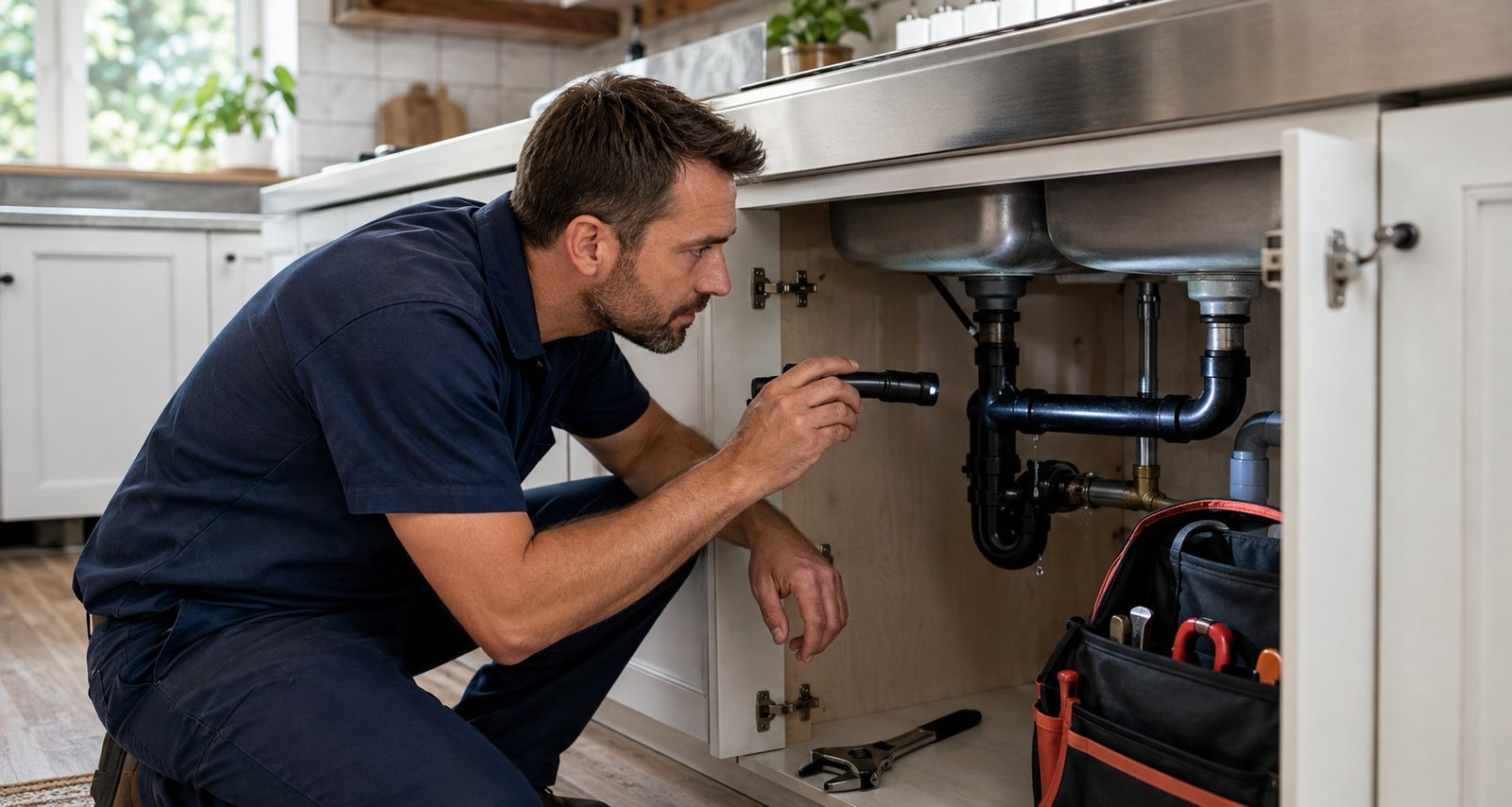
Water stains also deserve quick attention. Check under sinks, near toilets, around the water heater, and below exposed pipes. Dark spots, damp wood, or a musty smell may point to a leak. Water can spread behind a wall before it becomes easy to see. Local weather can also affect a home’s pipes. Cold air may cause exposed lines to freeze. Heavy rain can place extra pressure on drains and sewer systems. A local service website such as Suncoast Plumbing can help residents see which types of repair support are available in their area. Local knowledge matters because homes can face different risks based on climate, age, and pipe material.
Simple Habits That Protect Your Pipes
Pay close attention to what enters each drain. Kitchen grease is a major cause of pipe clogs. Hot grease may look like a liquid, but it turns solid as it cools. It can stick to the pipe walls and trap other waste. Pour used oil or fat into a safe container. Let it cool, then place it in the trash. Wipe greasy pans with a paper towel before you wash them. This small step can keep the kitchen drain clear.
The toilet should only handle human waste and toilet paper. Wipes, cotton swabs, paper towels, dental floss, and hygiene products can cause serious clogs. A label may call some wipes “flushable,” but they do not break apart as fast as toilet paper. Watch how much water your home uses each month. A sudden rise in the bill may reveal a hidden leak. Check all taps and toilets if the bill changes without a clear reason. You can also turn off every water source and look at the meter. Movement on the meter may mean water still escapes somewhere.
Test the shut-off valves in your home from time to time. Every adult in the house should know where the main valve sits. Quick access can reduce damage after a pipe bursts or a fixture fails. Keep the area around the valve clear so you can reach it without delay. Give the water heater basic care too. Look for rust, moisture, or strange sounds near the tank. Set the temperature at a safe level and follow the maker’s advice. Sediment can collect at the bottom of the tank and reduce its useful life. A qualified professional can inspect the unit and tell you if it needs service.
Outdoor areas need care as well. Remove hoses from taps before very cold weather arrives. Cover exposed pipes with proper insulation. Keep leaves and dirt away from outdoor drains. Tree roots can also enter older sewer lines, so watch for repeated clogs or bad smells near the yard. Do not ignore small leaks. A loose tap may seem like a minor problem, yet each drop adds up. Moisture can also damage cabinets and attract mold. Replace worn washers or seals if you know how to do the task safely.
Call a professional if the leak comes from inside a wall, below the floor, or near electrical wires. It also helps to avoid quick repairs that only hide the issue. Tape and sealant may stop a leak for a short time, but they rarely fix a cracked pipe. A proper repair protects the home and lowers the chance of another failure.
Conclusion
Good plumbing care does not require a complex plan. Watch for slow drains, leaks, weak pressure, and unusual water bills. Keep grease, wipes, and other waste out of the pipes. Learn where the main shut-off valve sits and act fast when a problem appears. Small steps can prevent water waste and property damage. They can also help each fixture last longer. A little care today may save time, stress, and money in the future.