
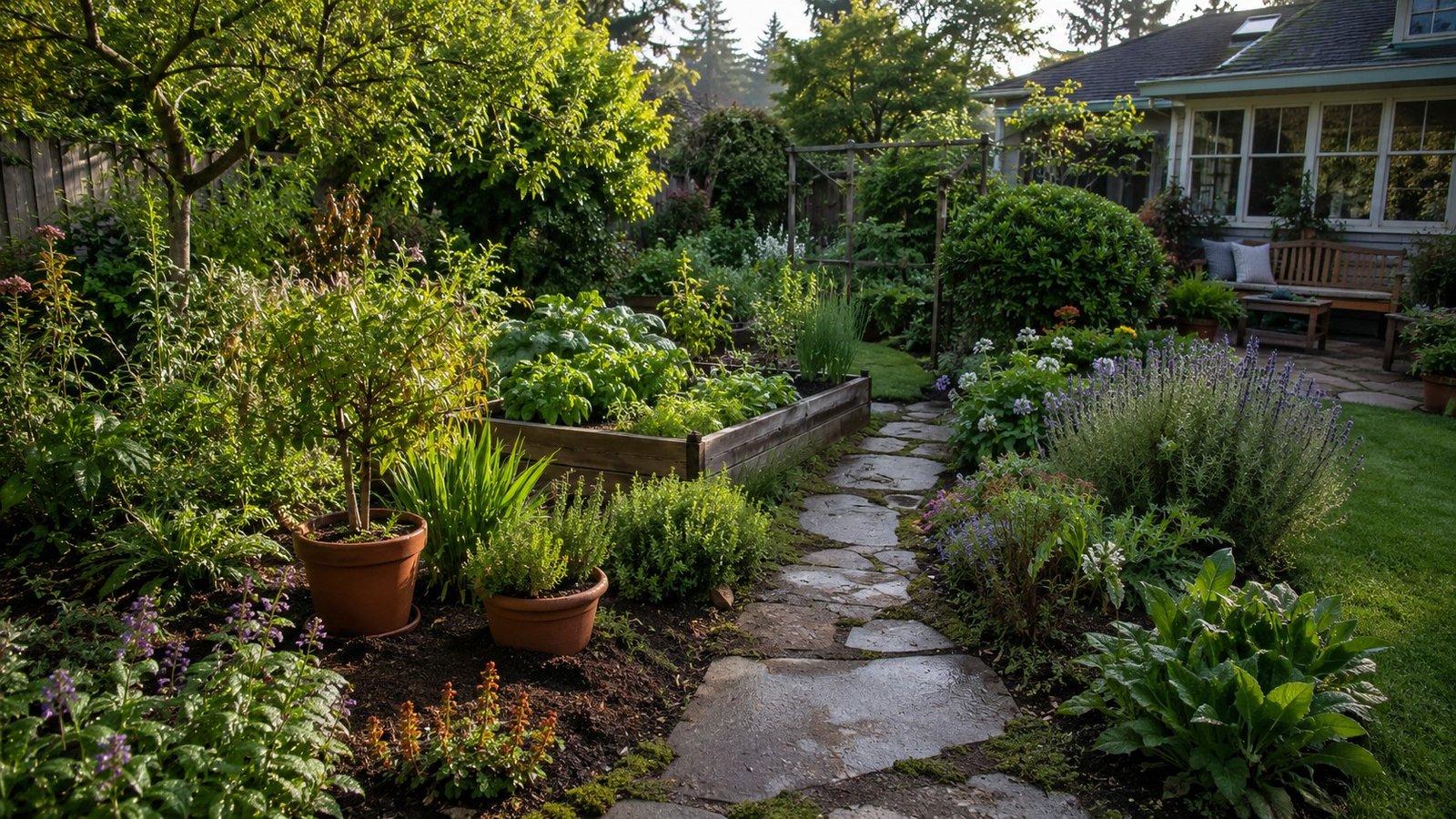
Garden Advice Homenumental is an online phrase for practical home garden guidance. It is not a formal garden method, plant type, or product. The idea covers simple steps that help people plan a yard, improve soil, select suitable plants, use water well, and solve common problems. Good results come from choices that match the local climate and the needs of each space. Healthy home gardens do not need rare plants or a large budget. They need a clear purpose, suitable soil, enough light, and steady care. Each yard has different limits, so one fixed plan cannot work everywhere. Homeowners should study the site first, then build a garden that fits the available time, space, and weather.
What Every Healthy Garden Needs
A healthy and easy-to-manage garden.
Check sunlight, shade, wind, and drainage.
Test the soil before adding fertilizer.
Match plants with the site and local climate.
Check the soil and soak the root area.
Water early in the morning when possible.
Use it to retain moisture and reduce weeds.
Identify the problem before using treatment.
Follow local weather and frost dates.
Use pots, raised beds, and trellises.
Group plants with similar care needs.
Use compost, mulch, and stored rainwater.
Avoid toxic plants and unsafe features.
Call a professional for serious problems.
People often use the phrase when they want one clear guide for home garden care. The topic joins plant health with outdoor design and regular upkeep. It may cover flower beds, vegetable plots, lawns, trees, shrubs, patios, and small container areas. The main goal is to create an outdoor space that looks good and stays easy to manage.
Reliable advice must explain the reason behind each step. A rule such as water once a week can fail in sandy soil, heavy clay, strong heat, or long rain. Useful guidance tells a person to check the ground, inspect the plant, and consider recent weather. That approach prevents blind choices and reduces waste. Homeowners should also separate proven care from online trends. Coffee grounds, eggshells, Epsom salt, and strong homemade sprays do not solve every soil or pest problem. A soil test or correct pest check gives a safer answer. Local garden experts can also help because they know the climate, common diseases, and plants that suit the area.
Plan Around Light, Space, and Climate
Good garden care starts with a close look at the site. Watch where direct sun falls in the morning, at midday, and later in the day. Note any deep shade from walls, fences, or trees. Check where rain collects and where the ground dries fast. Wind, slope, nearby buildings, and access to water also affect plant health. Climate sets another limit. Gardeners in the United States can use the USDA Plant Hardiness Zone Map to check which perennial plants may survive local winter lows. A hardiness zone does not describe summer heat, rainfall, wind, or soil. Those factors still need a separate check before a plant goes into the ground.
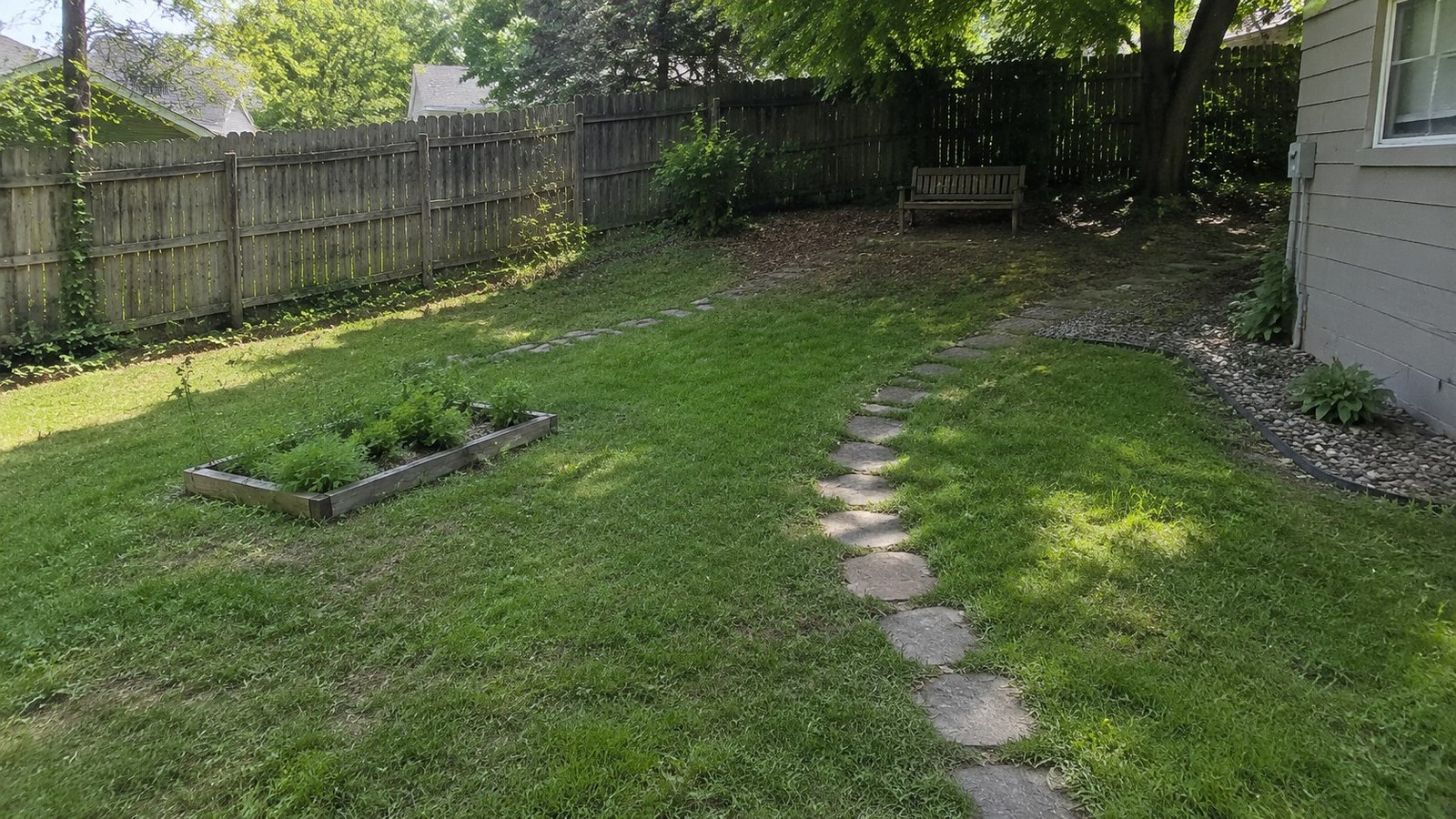
Purpose should guide the layout. A family may want a play area, a quiet seat, fresh herbs, seasonal color, or more privacy. Trying to fit every idea into one small yard can create clutter and extra work. Choose two or three main goals, reserve enough room for paths, and leave space for plants to reach their mature size.
Build Healthy Soil Before Planting
Soil supports roots, stores water, holds air, and provides key nutrients. Poor soil can make a healthy plant look weak even when it receives enough sun. Texture also matters because sand drains fast and clay holds water much longer. A simple drainage check can reveal wet spots before they cause root damage.
Accurate soil information saves money. A local lab can test pH and nutrient levels, then show whether the ground needs lime, sulfur, or fertilizer. The University of Minnesota Extension recommends a test before a yard or garden project. Test results help a homeowner avoid products the soil does not need.
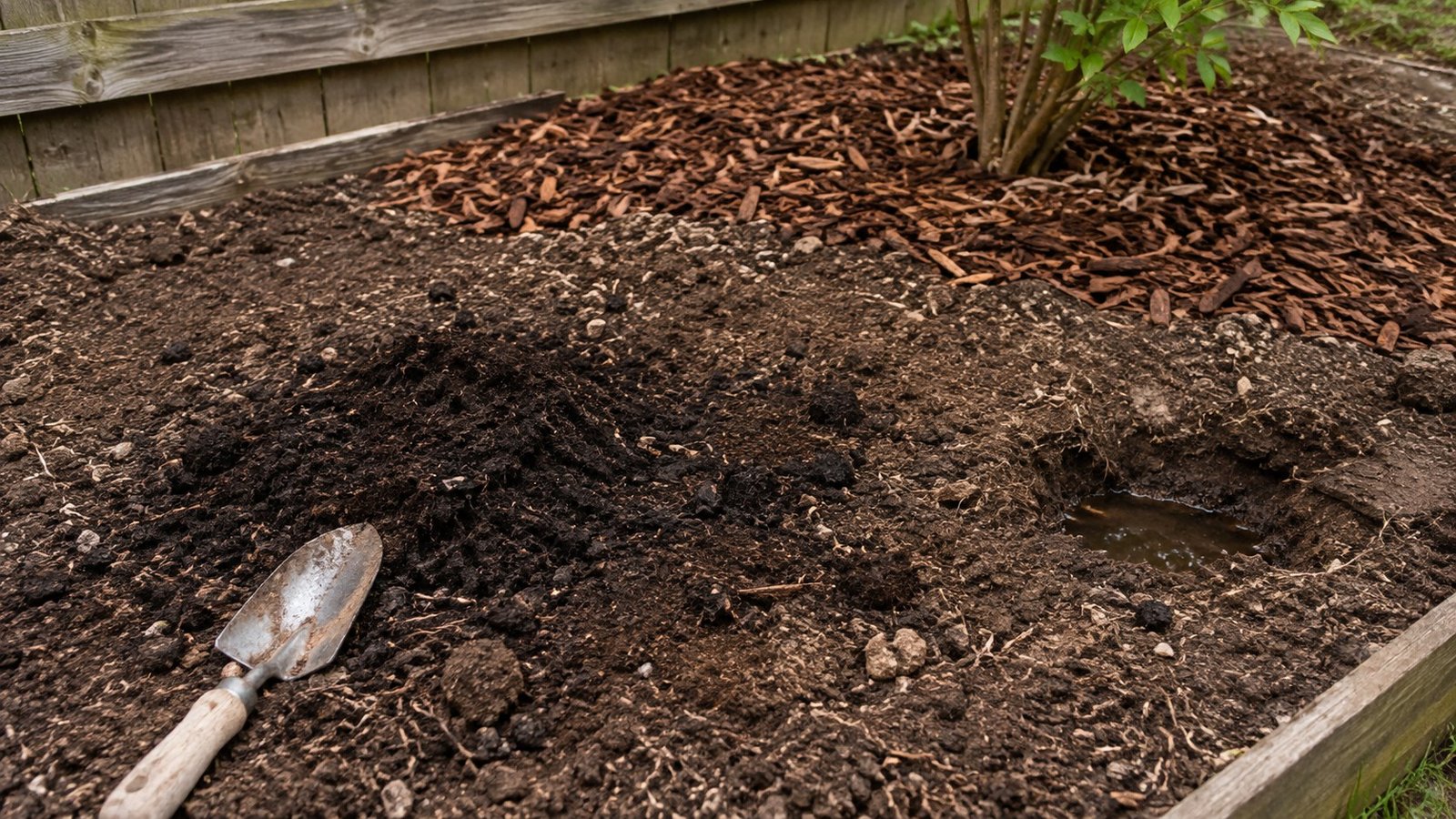
Compost can improve structure and add organic matter, but excess compost may create nutrient problems. Mix a suitable amount into a new bed when the test and soil condition support it. Cover bare ground with mulch to slow water loss, limit weeds, and protect the surface. Keep mulch away from trunks and plant crowns because a deep, wet pile can cause decay.
Choose Plants and Use Water With Care
Plant choice should follow the site check. Sun-loving flowers will weaken in deep shade, and moisture-loving roots will struggle in dry ground. Match each plant with the light, soil, space, and climate it needs. Local native species can offer a useful option because they often support local insects and fit regional conditions. Variety can make a garden attractive across the year. Trees and shrubs give structure, perennials return each season, and annual flowers add quick color. Herbs and vegetables can fit near a kitchen or sunny patio. Leave enough space between plants so air can move and mature branches do not crowd paths, windows, or walls.
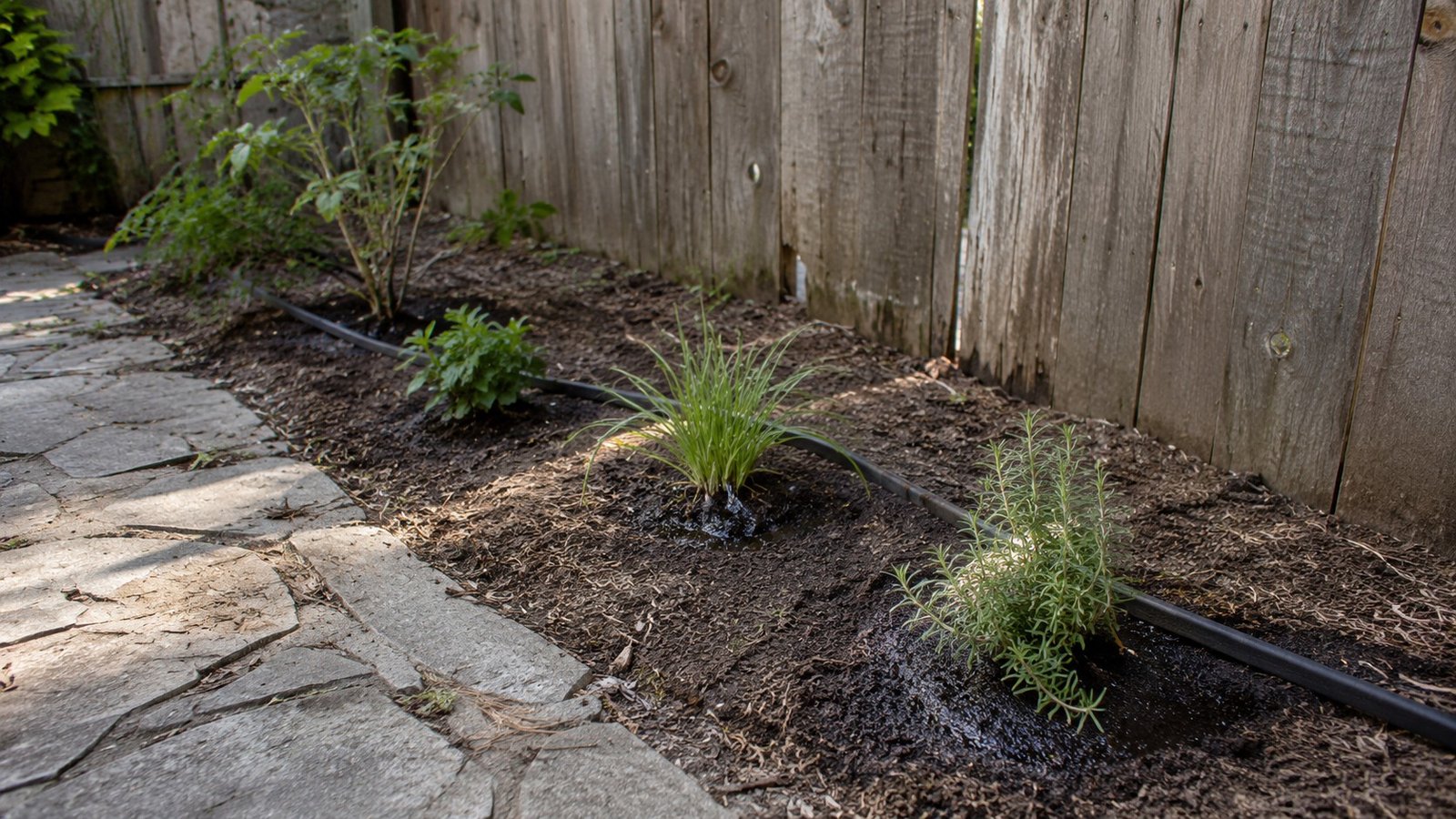
Water should reach the root area instead of only wetting the surface. The Royal Horticultural Society advises gardeners to check moisture below the top layer and water the soil well when it feels dry. Early morning often works best because less water disappears in midday heat. New plants need closer care until roots spread into nearby ground.
Create a Useful Garden Design
Useful layouts connect beauty with daily use. Start with clear routes between the door, seating area, lawn, beds, shed, and gate. Paths should feel safe in wet weather and wide enough for regular access. Curves can soften a formal yard, but too many tight turns may make the route awkward. Plant height helps create order. Place tall plants where they will not block windows or shade small sun-loving species. Medium shrubs can link trees with low flowers and ground cover. Repeated colors or plant shapes can make separate beds feel connected. Empty space also matters because every corner does not need an object or plant.
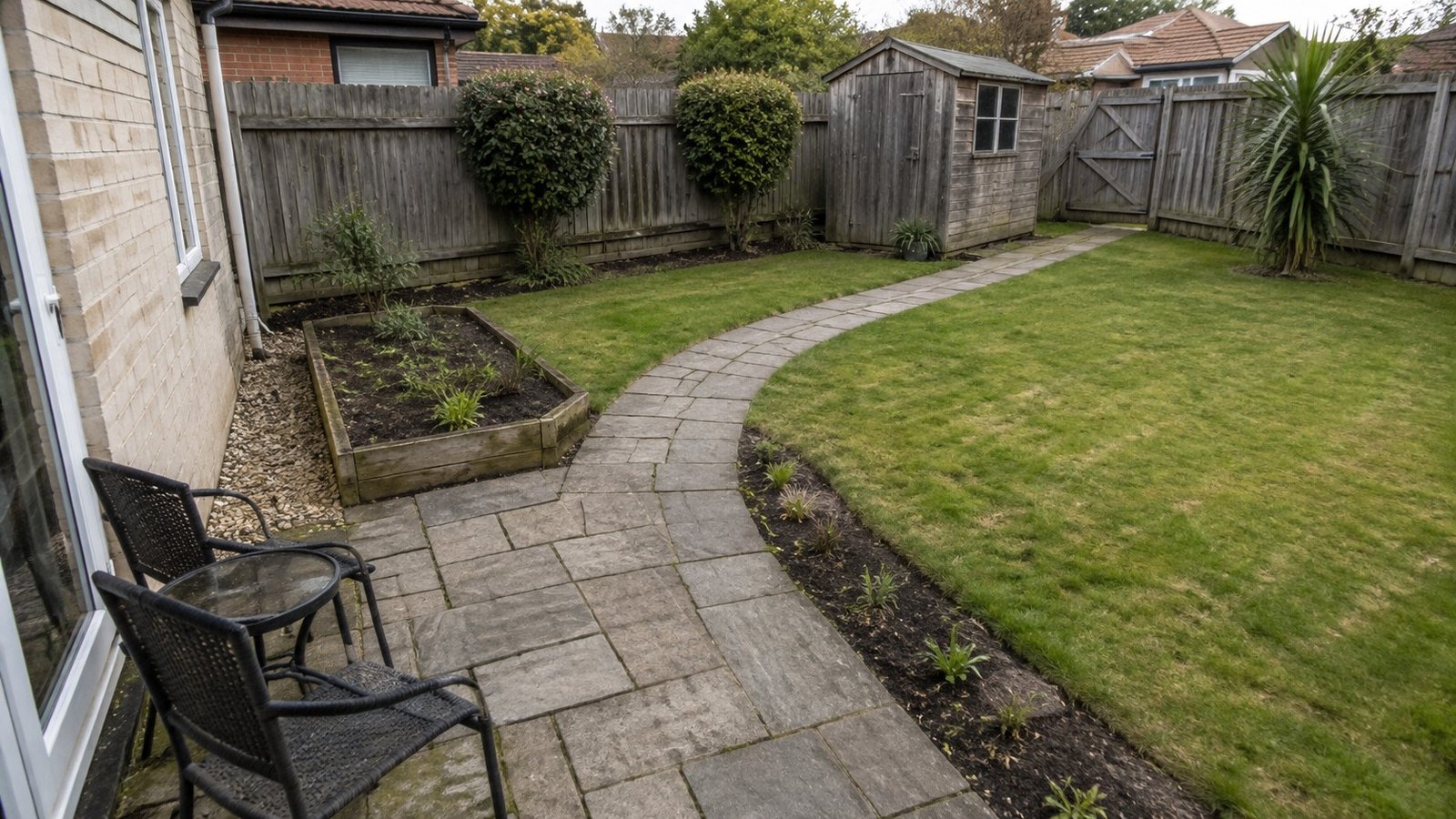
Hard materials need the same care as plants. Patios, raised beds, fences, lights, and water features should suit the home and local weather. Good drainage can protect walls and paved areas from standing water. Families with children or pets should avoid toxic plants, sharp edges, deep open water, and loose materials near busy routes.
Manage Pests and Common Plant Problems
Fast treatment can make a problem worse if the cause is wrong. Yellow leaves may come from excess water, dry soil, root stress, poor nutrition, or disease. Holes in leaves do not always mean a harmful insect still lives on the plant. Check both sides of leaves, stems, roots, and nearby soil before choosing a remedy.
Integrated pest management offers a careful method. It starts with correct identification, regular checks, and prevention. The U.S. Environmental Protection Agency advises people to use lower-risk controls before broad pesticide use. Hand removal, clean tools, good spacing, resistant plants, and removal of badly affected material may solve a small problem. Chemicals should not serve as the first response to every mark or insect. A pesticide can also harm useful insects or fail against the actual cause. Read the full label, use only the stated amount, and keep products away from children and pets. Severe tree disease, unsafe branches, or an unknown major pest may require a qualified local professional.
Match Care to Each Season
Spring often brings soil checks, light cleanup, new growth, and fresh planting. Remove dead material that may hide disease, but avoid damage to new shoots. Add compost or fertilizer only when the soil or plant needs it. Local frost dates should guide tender plants because a warm week does not always mark the end of cold weather. Summer care focuses on moisture, weeds, pests, and heat stress. Check the soil instead of following a rigid water schedule. Mulch can help the ground stay cool and hold moisture for longer. Remove weeds before they set seed, and inspect new damage early. Containers may need water more often than beds because their small soil volume dries fast.
Autumn and winter prepare the yard for the next cycle. Collect diseased leaves where local advice recommends removal, and use healthy leaves as mulch when suitable. Protect tender plants before hard frost and clean tools before storage. Winter also gives homeowners time to review weak areas, compare plant records, and plan changes without a rushed purchase.
Make Small and Sustainable Gardens Work
Limited space can still support a useful garden. Pots can hold herbs, flowers, compact vegetables, and small shrubs. Wall supports or trellises, use vertical space, but they must stay secure and allow air around leaves. Each container needs a drainage hole, suitable compost, and enough room for the plant’s roots. Low-maintenance design starts with fewer demands, not no care at all. Select plants that suit the site, group species with similar water needs, and reduce small patches that are hard to mow.
Slow-growing shrubs and durable perennials can cut regular work. Easy access to each bed also makes weeding, pruning, and health checks less tiring. Sustainable care uses resources with purpose. Stored rainwater may help where local rules and safe collection allow it. Mulch reduces water loss, and compost can reuse suitable garden waste. Native flowers can support pollinators, but plant choice should still match the exact site. A balanced yard leaves room for people, plants, soil life, and useful insects.
Create a Garden That Works for Your Home
Garden Advice Homenumental gives homeowners a broad way to think about outdoor care. Its best lesson is simple: understand the site before making changes. Light, soil, drainage, climate, and available time should shape every major choice. A garden built around those facts has a better chance to stay healthy. Strong results come from small, steady actions. Test the soil when needed, choose plants for the right place, check moisture below the surface, and identify pests before treatment.
Clear paths and sensible spacing make the yard easier to use. Seasonal checks can then prevent minor issues from turning into costly repairs. Every home garden should serve the people who use it. It can provide food, color, shade, privacy, wildlife value, or a calm place to sit. Children often remember the garden where they played, planted seeds, or helped with watering. Families who like to save those small milestones may also enjoy these door jamb growth chart ideas for recording a child’s height at home. No trend can replace a plan that fits the property. Start with one useful area, learn from each season, and let the space improve at a natural pace.



Pingback: 2 Storey Garden Shed Cost, Size and Permit Guide
Pingback: Garden Shed Greenhouse Combo Ideas and Buying Guide
Pingback: Bougainvillea Care at Home: More Flowers, Fewer Problems