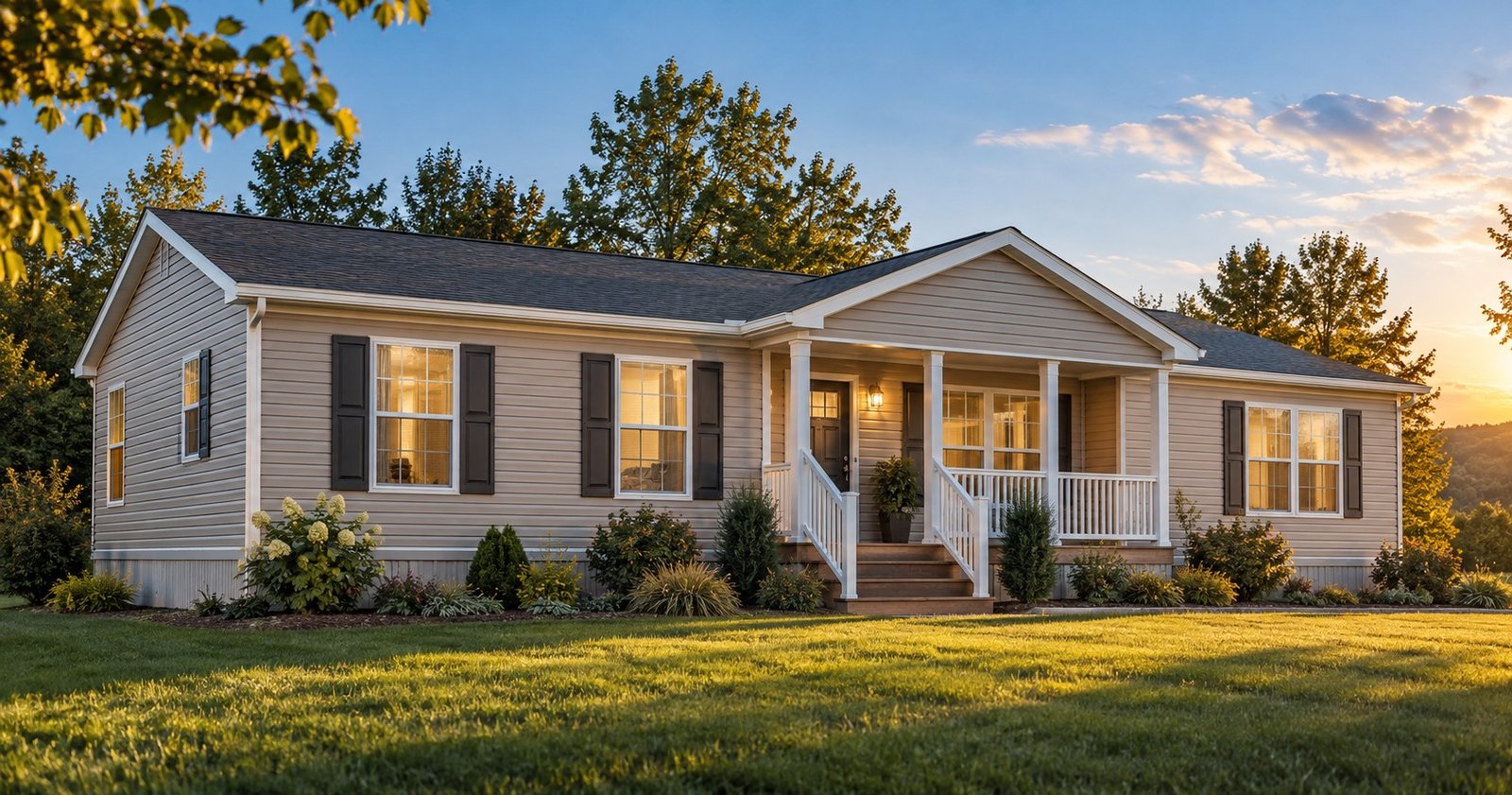
3 bedroom mobile homes give a household three separate bedrooms in a factory-built house, often at a lower price than a similar site-built property. Current models usually come as a single-section or double-section home. Compact plans can suit parents with two children, a couple that needs an office and guest room, or relatives who share one address. The right choice depends on floor space, bath count, land, local rules, and the full cost after setup.
Bedroom count alone does not show how comfortable the home will feel. Hallway shape, closet space, room size, kitchen storage, and the place of the washer and dryer all affect daily life. Buyers also need to look past the dealer’s base price. Delivery, permits, foundation work, utility links, insurance, land, and site rent can change the final total.
What Does a 3 Bedroom Mobile Home Include?
A typical plan has one main bedroom and two smaller rooms. Most family models also have one or two bathrooms, a kitchen, a living room, and a laundry area. One smaller room may serve as a nursery, office, hobby room, or guest space. Each floor plan is different, so the label three bedroom does not promise a set size or layout. People still use the term mobile home for almost every factory-built house. U.S. law uses a clearer name. A unit built before June 15, 1976, is generally called a mobile home. A unit built after that date must follow the federal Manufactured Home Construction and Safety Standards and is called a manufactured home. HUD states that each transportable section must carry a red certification label, often called a HUD tag. HUD’s homeowner guide explains this rule and the federal safety program.
Manufactured and modular homes are not the same product. A manufactured house rests on a permanent chassis and follows the HUD Code. A modular house follows the state or local code used for site-built homes and arrives as factory-made modules. Park models and recreational vehicles also fall into different groups. Correct classification affects placement, title records, insurance, and loan choices.
How Much Space Can 3 Bedrooms Provide?
Three bedrooms fit in a narrow single-section plan or a wider multi-section design. Census data for 2026 puts the average new single-section home at 1,073 square feet. New double-section units averaged 1,766 square feet. Those figures cover all bedroom counts, not only three-bedroom plans, but they give buyers a useful size reference. The figures come from the U.S. Census Bureau’s annual manufactured housing tables.
| Home format | Typical feel | Useful features | Main trade-off |
|---|---|---|---|
| Single-section (single-wide) | Long and narrow | Lower base price, smaller lot need, simpler delivery | Less room for wide living areas and large closets |
| Double-section (double-wide) | Wider and closer to a site-built layout | Larger kitchen, broader living room, more storage | Higher home, transport, and setup costs |
| Triple-section | Broad layout with distinct rooms | Extra family space and flexible room use | Fewer sites can accept it, and setup costs can rise |
Square footage can still mislead. A 1,200-square-foot plan with little hallway space may feel better than a larger plan with a poor room arrangement. Ask for interior measurements, not just the total area. Mark the bedroom size on a floor with painter’s tape, then check whether the bed, dresser, doors, and walking path fit without a squeeze.
How Much Does a 3 Bedroom Mobile Home Cost?
No single national price applies to every three-bedroom model. Size, section count, brand, state, options, dealer fees, and site work all affect the amount. Census figures show that new manufactured homes sold in 2026 had an average price of $127,200. Single-section units averaged $85,600, and double-section units averaged $157,100. These totals cover all floor plans, so they serve as market reference points, not quotes for one exact home. A dealer’s advertised figure may cover only the unit or may bundle a few setup services. Ask for a written, itemized quote before you compare offers. Cabinets, appliances, air systems, flooring, exterior trim, steps, and a porch can raise the price. State taxes and dealer fees can also create a gap between the ad and the contract.
| Budget item | Details to confirm |
|---|---|
| Home | Model, options, appliances, warranty, and sales tax |
| Delivery | Distance, route permits, escorts, and site access |
| Site work | Clearing, grade work, soil tests, drainage, and driveway |
| Foundation and setup | Piers or approved foundation, anchors, home assembly, and skirting |
| Utilities | Water, sewer or septic, power, gas, and internet |
| Ongoing costs | Loan payment, insurance, taxes, repairs, and lot rent if land is leased |
Land can become the highest extra cost in a high-price area. A rural parcel may look cheap but need a well, septic system, long power run, or major road work. Park placement removes some site tasks, yet the owner usually pays monthly lot rent and follows community rules. Compare the full first-year cost and the likely monthly cost, not the home price alone.
Where Can You Place the Home?
Local approval should come before a purchase contract. County or city staff can confirm zoning, setbacks, minimum home size, age limits, foundation rules, and permit needs. A deed restriction or homeowners association may block manufactured housing even when local zoning allows it. Get the answer in writing and give the official the exact model, year, size, and site address.
Good site work protects the structure. HUD tells buyers to consider stable soil, an approved foundation and anchor system, utility links, access for the transporter, and drainage away from the home. Trees, narrow roads, sharp turns, weak bridges, or overhead wires can stop delivery. An installer should follow the maker’s manual plus state and local rules. Moving the unit later is possible, but it is not as simple as towing a travel trailer. Transport rules apply, and an older house may suffer damage during a move. The data plate also lists the wind, roof-load, and thermal zones for which the unit was made. HUD warns against placing a home in a stricter zone than the one shown on that plate.
Read Also: Direction in Home: Plan for Light, Comfort, and Flow
Which Loan Options May Work?
Loan choices depend on the home, land, title, foundation, and borrower. A house fixed to owned land and classed as real property may qualify for a regular mortgage or a government-backed loan if it meets the program rules. A unit on leased land often remains personal property and may need a chattel loan. Lenders can treat these two setups very differently.
The Consumer Financial Protection Bureau found that chattel borrowers tend to pay higher interest rates and have fewer chances to refinance than manufactured-home mortgage borrowers. Land ownership plays a major role in that split. The CFPB manufactured housing finance report gives more detail on those loan types.
FHA’s Title I program can cover an eligible home, a lot, or a home-and-lot package through an approved lender. The HUD Title I loan page explains the main uses and conditions. HUD also lists possible FHA, VA, and USDA routes for homes that meet each program’s terms. Approval is not automatic. Compare the annual percentage rate, loan term, total interest, lender fees, down payment, insurance rules, and any penalty before you sign.
Should You Buy New or Used?
New units let buyers choose a floor plan, finishes, and options. They may also include a maker’s warranty, although coverage differs. Read who handles repair calls, how long each part lasts, and whether setup faults fall under the installer instead. Keep the sales order, manual, warranty, inspection papers, serial number, and HUD label details together.
Used homes can cost less, but age and repair history matter more than fresh paint. Soft floors near toilets, tubs, exterior doors, and water heaters may point to leaks. Roof stains, musty closets, uneven doors, wall cracks, weak heat or airflow, and loose exterior panels also deserve a close check. Hire an inspector who has real experience with manufactured housing.
Review these items before you pay a deposit:
- Confirm the title, owner name, serial number, and any unpaid lien.
- Find the HUD label on each section and the data plate inside the home.
- Check the roof, floor, plumbing, wiring, heat and air system, windows, and insulation.
- Ask for setup permits, repair records, utility bills, warranty terms, and insurance quotes.
- Read the park lease, lot rent history, pet rules, sale rules, and home-age limits if the land is leased.
- Put delivery, setup, repairs, included options, deadlines, and refund terms in the contract.
Is 3 Bedroom Space Enough for a Family?
Three rooms work well when the layout matches the household. A split-bedroom design puts the main suite at one end and the other rooms at the opposite end. That plan gives parents, guests, or housemates more privacy. Families with small children may prefer all rooms close together, so there is no best setup for every buyer. Bathroom access often causes more stress than bedroom count. One bath can work for a small family, but busy school and work hours may make a second bath worth the cost. Storage also deserves a close look. Count linen space, food cabinets, bedroom closets, coat storage, and room for a vacuum, tools, and seasonal items.
Future needs can change the choice. A baby may need a room now, but a teenager needs more privacy later. An office may stop serving as a guest room once work equipment fills it. Buyers who expect an older parent to move in should check door width, steps, shower access, and the route from the bedroom to the bathroom before they choose a plan.
Care, Insurance, and Resale Value
Regular care protects comfort and value. Check the roof seal, gutters, exterior joints, plumbing leaks, air filters, dryer vent, skirting vents, and water flow around the foundation. Small leaks can damage the subfloor before a stain becomes clear. Follow the maker’s manual and keep dated repair receipts. Insurance price depends on age, location, weather risk, foundation, replacement cost, and past claims. Get a quote before the loan closes or the home moves to the site. Ask whether the policy covers wind, hail, transport, detached structures, and full replacement. Flood damage may need a separate policy, so confirm that point with the insurer.
Resale depends on more than the number of rooms. Owned land, legal setup, good records, sound condition, and access to mortgage finance may help attract buyers. A home on rented land also depends on park rules and future lot costs. Local housing groups and Reddit communities can offer useful leads on parks, installers, and common area problems, but confirm each claim with a public office, licensed contractor, insurer, or lender.
Read Also: Directions Home: Safe Routes, and Smart Navigation Guide
Final Check Before You Buy
A 3 bedroom mobile home can give a family useful private space at a lower entry price than many site-built choices. Single-section plans suit tighter budgets and smaller sites. Double-section models offer wider rooms and more storage, but the home and setup usually cost more. Start with the household’s real needs, then compare measured floor plans.
Confirm the land, zoning, delivery route, foundation, utilities, title, insurance, and loan before a deposit changes hands. One complete cost sheet will reveal far more than a low dealer ad. Choose the unit only after an independent inspection and a careful contract review. Clear records and proper setup matter as much as cabinets, colors, or curb appeal. A well-matched plan should fit the people, the site, and the monthly budget without forcing costly changes soon after the move.
Questions and Answers
Do they make 3 bedroom mobile homes?
Manufacturers offer three-bedroom homes in both single-wide and double-wide layouts. New models are formally called manufactured homes, and many have two bathrooms.
How much do 3 bedroom manufactured homes cost?
There is no national average for three-bedroom models alone. In 2025, new single-section homes averaged $85,600 and double-section homes averaged $157,100 across all bedroom counts. Land and setup can add to the price.
Is it cheaper to buy a mobile home or build a small house?
A manufactured home usually costs less upfront than a comparable small site-built house. Compare the full cost before you decide: land, delivery, foundation, permits, and utility connections can narrow the difference.
Why does Dave Ramsey say not to buy a mobile home?
Ramsey’s concern is its value as an investment. He argues that the home itself tends to lose value, especially when the buyer does not own the land, while loan and lot costs add up. That does not mean it cannot meet someone’s housing needs.